 EN
EN
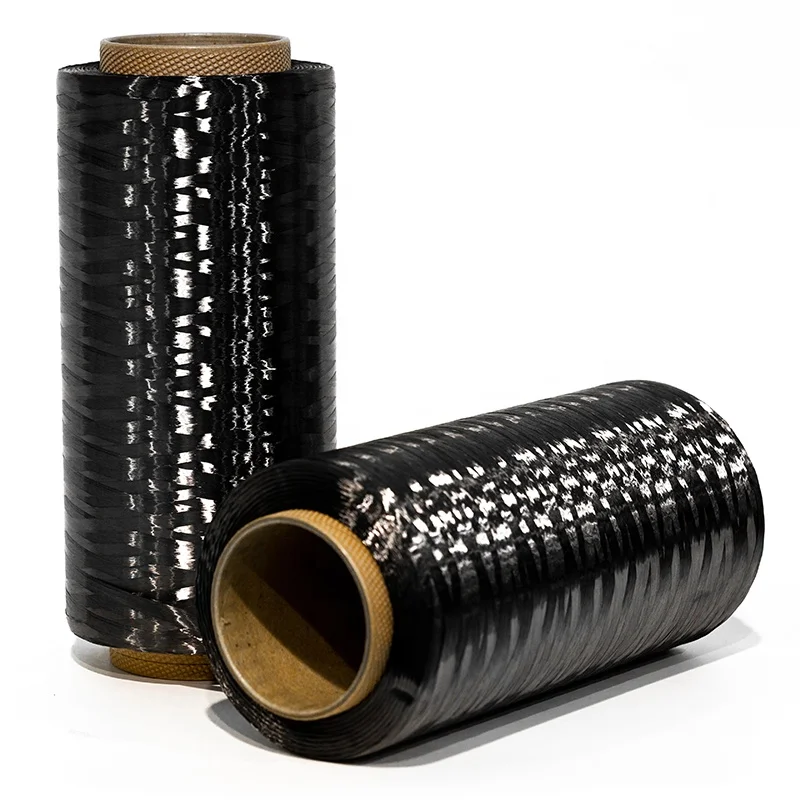
تتطلب قطاعات الطيران والفضاء والسيارات والنقل البحري أداءً استثنائيًا من المواد، وتُعد حلول ألواح الألياف الكربونية رائدة في التقدم المحرز في التطبيقات خفيفة الوزن وعالية القوة. إن فهم معايير الجودة الصارمة ومنهجيات الاختبار الشاملة التي تنظم تصنيع ألواح الألياف الكربونية أمر ضروري للمهندسين وأخصائي المشتريات ومحترفي ضمان الجودة العاملين مع المواد المركبة المتقدمة. وتضمن هذه المعايير أن تفي كل لوحة من ألياف الكربون بالمتطلبات الدقيقة المتعلقة بالسلامة الهيكلية والدقة الأبعادية والمتانة على المدى الطويل في التطبيقات الحيوية.
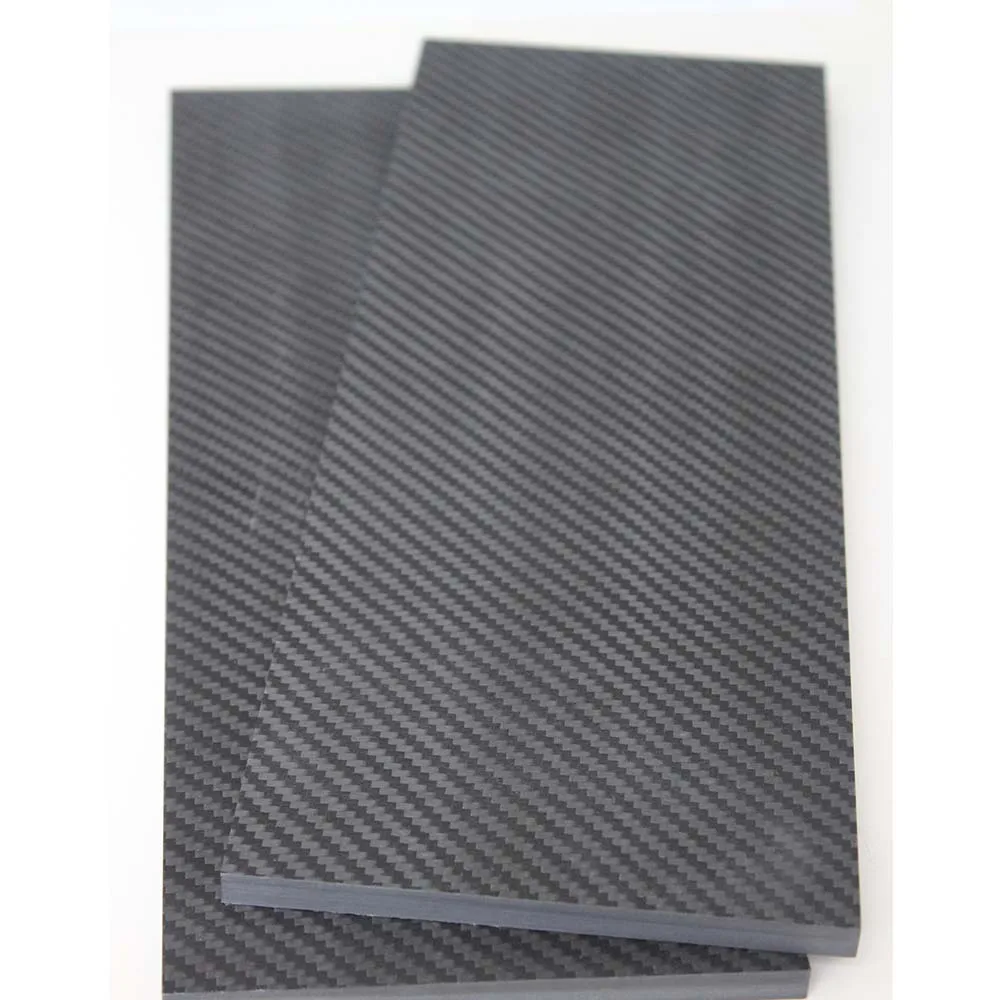
تتضمن إنتاج الألواح الحديثة من ألياف الكربون عمليات تصنيع معقدة يجب أن تتماشى مع المعايير الدولية لضمان خصائص أداء متسقة. ويضمن تطبيق إجراءات صارمة لمراقبة الجودة طوال دورة الإنتاج أن كل لوحة من ألياف الكربون توفر الخصائص الميكانيكية، ونهاية السطح، والتسامحات البعدية المحددة من قبل التطبيقات الصناعية المتطلبة. وقد تطورت بروتوكولات ضمان الجودة هذه بشكل كبير مع سعي الصناعات إلى توسيع حدود ما يمكن للمواد المركبة تحقيقه من حيث تقليل الوزن والأداء الهيكلي.
المعايير الدولية للجودة الخاصة بألواح ألياف الكربون
معايير ASTM ومتطلبات الامتثال
لقد وضعت الجمعية الأمريكية لاختبارات المواد (ASTM) معايير شاملة تتناول بشكل خاص عمليات تصنيع ألواح ألياف الكربون والتحقق من جودتها. يوفر معيار ASTM D3039 الطريقة القياسية لاختبار خصائص الشد في المواد المركبة ذات المصفوفة البوليمرية، وهو ما ينطبق مباشرةً على تقييم ألواح ألياف الكربون. ويحدد هذا المعيار الإجراءات اللازمة لتحديد مقاومة الشد، معامل الشد، وخصائص الانفعال حتى الفشل، وهي خصائص أساسية لتقييم أداء ألواح ألياف الكربون.
يُعنى معيار ASTM D7264 باختبار خصائص الانحناء، ويضمن أن تلبي منتجات ألواح الألياف الكربونية متطلبات قوة الثني الخاصة بالتطبيقات المقصودة. ويُعرِّف هذا المعيار إعداد العينات، وإعداد جهاز الاختبار، وطرق تفسير البيانات التي يجب اتباعها من قِبل المصنّعين للتحقق من الخصائص الميكانيكية لألواح الألياف الكربونية. ويوفر الامتثال لهذه المعايير ASTM للعملاء الثقة في أن مواصفات ألواح الألياف الكربونية ستؤدي بشكل موثوق تحت أحمال التشغيل والظروف البيئية.
بالإضافة إلى ذلك، يغطي المعيار ASTM D2344 اختبار مقاومة الشد القصيرة، الذي يقيّم خصائص القص البيني الطبقي الضرورية لمقاومة تشقق ألواح ألياف الكربون. تساعد هذه المنهجية في تحديد العيوب المحتملة في التصنيع التي قد تُضعف السلامة الهيكلية لتجميعات ألواح ألياف الكربون أثناء الخدمة. ويحدد المعيار معايير قبول واضحة لقوة الربط البيني الطبقي، مما يضمن بقاء منتجات ألواح ألياف الكربون محافظة على هيكلها المركب الطبقي تحت ظروف تحميل مختلفة.
الشهادة وفقًا للمعايير الدولية وإدارة الجودة
توفر إرشادات المنظمة الدولية للتوحيد القياسي (ISO) إطارًا عالميًا لأنظمة إدارة جودة ألواح الألياف الكربونية وضمان اتساق التصنيع. ويُعنى المعيار ISO 527-4 بشكل خاص بتحديد الخصائص الشدّية للمواد المركبة البلاستيكية المدعمة بالألياف المنتظمة والشبيهة بالشبكة، ويُرسّخ بروتوكولات اختبار موحدة لوصف خواص ألواح الألياف الكربونية في الأسواق الدولية. وتمكّن هذه التوحيدات من نقل التكنولوجيا والتحقق من الجودة بسلاسة بغض النظر عن موقع التصنيع.
يوفر المعيار ISO 14125 إجراءات شاملة لتحديد خصائص الانحناء للمركبات البلاستيكية المدعمة بالألياف، ويقدم طرق اختبار بديلة تكمل معايير ASTM لتقييم ألواح ألياف الكربون. ويعالج هذا المعيار متطلبات أبعاد العينات ومعدلات التحميل والظروف البيئية التي تؤثر على نتائج اختبارات ألواح ألياف الكربون. ويمكن للمصنّعين الذين يطبقون بروتوكولات اختبار متوافقة مع المعيار الدولي عرض التزامهم بمعايير الجودة الدولية، وتسهيل قبول منتجاتهم من ألواح ألياف الكربون في الأسواق العالمية.
تُعد أنظمة إدارة الجودة المطابقة لمتطلبات ISO 9001 ضمانًا بأن تُحافظ عمليات تصنيع ألواح ألياف الكربون على إنتاجية جودة متسقة من خلال إجراءات موثّقة، ومراجعات دورية، ومبادرات لتحسين مستمر. وتؤسِّس هذه الأنظمة إمكانية التتبع على امتداد سلسلة إنتاج لوحات ألياف الكربون، بدءًا من شهادة المواد الخام وحتى الفحص النهائي والتسليم. ويوفّر تنفيذ أنظمة إدارة الجودة المطابقة لمعايير ISO للعملاء ضمانًا بأن مورديهم لألواح ألياف الكربون يلتزمون بمعايير صارمة لمراقبة الجودة.
بروتوكولات الاختبار الميكانيكي
طرق تقييم مقاومة الشد
تمثل اختبارات الشد الطريقة الأساسية للفحص الميكانيكي لمواد الألواح الليفية الكربونية، حيث توفر بيانات حيوية حول مقاومة الكسر، معامل المرونة، وآليات الفشل تحت ظروف التحميل المحوري الأحادي. تتضمن إجراءات الاختبار إعداد عينات قياسية من عينات الألواح الليفية الكربونية، مع ضمان محاذاة اتجاه الألياف بشكل صحيح والحفاظ على هندسة مقطع عرضي متسقة. ويستلزم إعداد العينة استخدام تشغيل دقيق أو قطع بخراطة المياه لتجنب حدوث تركيزات إجهاد قد تؤثر على نتائج الاختبار وتوفر بيانات غير دقيقة عن أداء اللوح الليفي الكربوني.
تُطبّق آلات الاختبار الشاملة المجهزة بنظم قبض مناسبة معدلات تحميل مضبوطة على عينات الألواح الليفية الكربونية، مع مراقبة القوة والإزاحة طوال مدة الاختبار. وتوفر منحنيات الإجهاد-الانفعال الناتجة مقاييس كمية للخصائص الميكانيكية للألواح الليفية الكربونية، بما في ذلك الحد التناسبي، ومقاومة الخضوع، ومقاومة الشد القصوى، ومعامل المرونة. وتُعد هذه الخصائص معايير تصميم أساسية للمهندسين عند تحديد مكونات الألواح الليفية الكربونية في التطبيقات الهيكلية.
يمكن لتوصيفات اختبار الشد المتقدمة تقييم أداء ألواح ألياف الكربون تحت اتجاهات تحميل مختلفة، بما في ذلك اتجاهات الألياف بزاوية 0 درجة و45 درجة و90 درجة بالنسبة للحمل المطبق. ويتيح هذا النهج الاختباري متعدد الاتجاهات التوصيف الشامل للخصائص الأنيسوتروبية لألواح ألياف الكربون، مما يمكّن من التنبؤ الدقيق بسلوك المكونات تحت ظروف تحميل معقدة. وتدعم قاعدة البيانات الناتجة للخصائص الميكانيكية التحليل باستخدام العناصر المنتهية وتحسين التصميم الهيكلي لتطبيقات ألواح ألياف الكربون.
اختبارات الانحناء والانضغاط
تُقيّم طرق الاختبار الانحنائي بنقاط ثلاث أو أربع أداء انحناء لوحات ألياف الكربون، وتحدد مقاومة الانحناء، معامل الانحناء، وأقصى نسبة تشوه عند الفشل تحت ظروف تحميل مضبوطة. وتُحاكي هذه الاختبارات سيناريوهات التحميل الواقعية التي تتعرض فيها مكونات لوحات ألياف الكربون لعزم انحناء أثناء التشغيل الفعلي. ويعتمد اختيار التكوين بين الانحناء الثلاثي أو الرباعي على متطلبات التطبيق المحددة والحاجة لتقييم تأثير العزم المنتظم مقابل التحميل المركز.
تُقيّم بروتوكولات اختبار الضغط سلوك ألواح ألياف الكربون تحت تحميل ضغطي، وهو ما يمثل في كثير من الأحيان الوضعية الأكثر تحديًا لأحمال المواد المركبة بسبب آليات انبعاج الألياف وفشل المصفوفة المحتملة. إن إعداد العينات واختيار تصميم التجهيزات الاختبارية بشكل مناسب أمر بالغ الأهمية للحصول على بيانات موثوقة من اختبارات الضغط، إذ يمكن أن يؤدي الدعم غير الكافي للعينة إلى حدوث أنماط فشل مبكرة لا تعكس السلوك الفعلي لوحة ألياف الكربون قدرات الأداء.
تقيم اختبارات التحميل المدمجة أداء ألواح الألياف الكربونية تحت ظروف تحميل شد وضغط وقص في وقت واحد، مما يمثل بيئات التشغيل بدقة أكبر. تتطلب هذه البروتوكولات المتقدمة لمختبرات الفحص معدات وأدوات خاصة، ولكنها توفر رؤى قيّمة حول آليات فشل ألواح الألياف الكربونية وهوامش السلامة في ظل سيناريوهات التحميل المعقدة. تدعم البيانات الناتجة تحليلات هيكلية أكثر دقة وتتيح تحسين تصميمات ألواح الألياف الكربونية لتلبية متطلبات التطبيقات المحددة.
فحص الجودة السطحية والأبعاد
تقنيات قياس درجة النعومة السطحية
تتضمن تقييم جودة السطح لمنتجات ألواح ألياف الكربون استخدام تقنيات قياس متعددة لتقييم خشونة السطح، وموجية السطح، وخصائص التشطيب العامة التي تؤثر على المظهر الجمالي والأداء الوظيفي. ويُوفر القياس النقطي باستخدام أدوات مجهزة بمحسّ حساس قياسات كمية لخشونة السطح تُعبَّر عنها بمؤشرات Ra وRz ومؤشرات الخشونة القياسية الأخرى. وتضمن هذه القياسات أن تتوافق جودة سطح لوح ألياف الكربون مع المتطلبات المحددة للتطبيقات التي يؤثر فيها تشطيب السطح على الأداء الهوائي، أو التصاق الطلاء، أو المظهر البصري.
توفر أنظمة القياس البصري غير المتلامسة أساليب بديلة لتحليل أسطح ألواح ألياف الكربون، وهي مفيدة بشكل خاص لتقييم المساحات السطحية الكبيرة أو الأشكال الهندسية المعقدة التي قد يكون فيها القياس بالتلامس غير عملي. يمكن لهذه الأنظمة اكتشاف العيوب السطحية، وعدم انتظام أنماط الألياف، والمناطق الغنية بالراتنج أو الفقيرة به، والتي قد تؤثر على أداء أو مظهر لوح ألياف الكربون. توفر الأنظمة البصرية المتطورة إمكانات رسم خرائط سطحية عالية الدقة تدعم التحليل الإحصائي لثبات جودة السطح عبر دفعات الإنتاج.
تُستخدم طرق كشف تلوث السطح لتحديد الجسيمات الغريبة أو بقايا الزيوت أو الملوثات الأخرى التي قد تؤثر على أداء التصاق ألواح الألياف الكربونية في عمليات التجميع الثانوية. تضمن بروتوكولات الفحص هذه أن تفي أسطح لوحات الألياف الكربونية بمتطلبات النظافة اللازمة للالتصاق بالغراء أو الطلاء أو غيرها من عمليات علاج السطح. ويُعد التحكم في التلوث أمرًا بالغ الأهمية بشكل خاص في التطبيقات الجوية والطبية، حيث يؤثر نظافة السطح مباشرةً على موثوقية المنتج وسلامته.
التحقق من دقة الأبعاد
توفر فحوصات آلة القياس الإحداثية (CMM) التحقق الدقيق من الأبعاد لمكونات ألواح ألياف الكربون، مما يضمن الامتثال لمخططات التصميم الهندسي ومتطلبات الأبعاد الهندسية والتسامحات الهندسية (GD&T). وتقوم بروتوكولات الفحص باستخدام آلة القياس الإحداثية (CMM) بتقييم الأبعاد الحرجة، والاستوائية، والتوازي، وخصائص هندسية أخرى تؤثر على تركيب ووظيفة لوح ألياف الكربون في التطبيقات التجميعية. وتدعم بيانات القياس ضبط العمليات إحصائيًا، وتمكن من التحسين المستمر للعمليات التصنيعية للحفاظ على تسامحات أبعاد دقيقة.
تقدم تقنيات المسح الضوئي بالليزر والتصوير القياسي قدرات فحص أبعادية سريعة لمكونات الألواح الكبيرة من ألياف الكربون أو للهندسات المعقدة التي قد تكون فيها طريقة الفحص باستخدام جهاز قياس الإحداثيات (CMM) متعثرة زمنياً. وتُنتج هذه الأنظمة المتقدمة لقياس نماذج ثلاثية الأبعاد كاملة لمكونات ألواح ألياف الكربون، مما يتيح إجراء تحليل هندسي شامل ومقارنتها بالنماذج المصممة بمساعدة الحاسوب (CAD). وتدعم البيانات البعدية الناتجة قرارات ضمان الجودة وتوفر توثيقاً للموافقة من العميل ومتطلبات الشهادة.
يُعد قياس تباين السُمك عبر أسطح ألواح الألياف الكربونية أمرًا ضروريًا لضمان توزيع موحد للمواد وخصائص ميكانيكية متسقة في جميع أنحاء المكون. توفر أجهزة قياس السُمك بالموجات فوق الصوتية إمكانية القياس غير التدميري، والتي يمكنها اكتشاف الفراغات الداخلية أو حالات التشقق أو عدم انتظام توزيع الراتنج، وهي عيوب قد تؤثر على الأداء الهيكلي لألواح الألياف الكربونية. يتيح الرصد المنتظم للسُمك أثناء الإنتاج إجراء تعديلات فورية على العملية للحفاظ على جودة متسقة.
طرق الاختبار غير التدميرية
تقنيات الفحص بالموجات فوق الصوتية
يمثل الفحص بالموجات فوق الصوتية طريقة تقييم أساسية وغير مدمرة لضمان جودة ألواح ألياف الكربون، حيث يوفر معلومات مفصلة حول سلامة البنية الداخلية دون التأثير على قابلية استخدام المكون. وتُستخدم تقنيات الموجات فوق الصوتية المنعكسة لاكتشاف الطبقات المفصولة، والفراغات، والشوائب، والعُيوب الداخلية الأخرى التي قد تؤثر على الأداء الميكانيكي لألواح ألياف الكربون تحت الأحمال التشغيلية. ويتضمن عملية الفحص المسح المنتظم لأسطح لوح ألياف الكربون باستخدام محولات فوق صوتية معيرة تعمل بترددات تم تحسينها لاختراق المواد المركبة وتحقيق الدقة المطلوبة.
تقدم تقنية الفحص بالموجات فوق الصوتية العابرة حساسية محسّنة لاكتشاف العيوب الداخلية الدقيقة في هياكل الألواح الليفية الكربونية، وهي فعالة بوجه خاص في تحديد مسائل المسامية الناتجة عن التصنيع أو عدم انتظام توزيع الألياف. تتطلب هذه الطريقة الوصول إلى كلا السطحين من اللوح الليفي الكربوني، لكنها توفر توصيفًا أفضل للعيوب مقارنةً بأساليب الفحص من جانب واحد. وتشتمل الأنظمة فوق الصوتية المتطورة على إمكانات مسح آلي ومعالجة رقمية للبيانات لتوليد خرائط تفصيلية للعيوب وتحليل كمي لجودة البنية الداخلية للوحة الليفية الكربونية.
توسع تقنية الموجات فوق الصوتية ذات المصفوفة الطورية إمكانيات الفحص التقليدية من خلال توفير توجيه وتركيز إلكتروني للشعاع، مما يتيح تقييماً أكثر شمولاً لألواح ألياف الكربون مع تحسين دقة تحديد حجم العيوب. ويمكن لهذه الأنظمة تقييم زوايا فحص متعددة وأعماق بؤرية في الوقت نفسه، ما يوفر تمييزاً مفصلاً لهندسات العيوب المعقدة والتأثير المحتمل لها على الأداء الهيكلي لألواح ألياف الكربون. وتدعم بيانات الفحص الناتجة التقييم الهندسي لقبول العيوب ومتطلبات الإصلاح.
التحليل الحراري والتحليل الإشعاعي
توفر التصوير الحراري بالأشعة تحت الحمراء إمكانات فحص سريعة لكشف عيوب ألواح ألياف الكربون، وتفيد بشكل خاص في تحديد حالات التشقق أو الانفكاك، والأضرار الناتجة عن الصدمات، ودخول الرطوبة التي قد تؤثر على الأداء الطويل الأمد. وتُطبَّق تقنيات التصوير الحراري الفعالة مصادر حرارة مضبوطة على أسطح لوح ألياف الكربون وتراقب أنماط الاستجابة الحرارية التي تكشف عن عدم انتظامات داخلية. ويُعد هذا الأسلوب فحصًا متميزًا بفوائد كبيرة عند فحص المساحات الكبيرة، ويمكنه اكتشاف عيوب قد تُفوت باستخدام أساليب أخرى للفحص غير الإتلافي.
توفر التصوير الإشعاعي الرقمي والتصوير المقطعي المحوسب تصورًا داخليًا مفصلًا لهيكل ألواح ألياف الكربون، مما يمكّن من تحديد العيوب بدقة وقياس الأبعاد للميزات الداخلية. هذه التقنيات ذات قيمة كبيرة في تقييم هندسات ألواح ألياف الكربون المعقدة، أو الأقسام السميكة، أو المناطق التي تكون فيها طرق الفحص غير التدميري الأخرى محدودة الفعالية. توفر أنظمة التصوير المتقدمة إمكانات تصوير عالية الدقة تدعم التحليل الكمي لتوجيه الألياف وتوزيع الراتنج وخصائص العيوب الداخلية.
تمثل تقنية التصوير القصي طريقة تفتيش بصري متقدمة تكشف العيوب السطحية وشبه السطحية في مكونات الألواح الليفية الكربونية من خلال قياس أنماط تشوه السطح تحت تأثير إجهاد مطبق أو حمل حراري. توفر هذه الطريقة إمكانية فحص شامل لجميع المناطق ويمكنها تحديد العيوب التي تُنتج إشارات صوتية ضعيفة جداً أثناء الفحص بالموجات فوق الصوتية. تكون عملية التفتيش بالتصوير القصي فعالة بشكل خاص لتقييم تجميعات الألواح الليفية الكربونية المثبتة وللكشف عن العيوب التصنيعية التي قد تؤدي إلى فشل مبكر أثناء الخدمة.
اختبارات البيئة والمتانة
بروتوكولات الشيخوخة المُسرّعة
تخضع بروتوكولات التكييف البيئي عينات الألواح الليفية الكربونية لظروف تقدم متسارع تحاكي سنوات من التعرض أثناء الخدمة في فترات زمنية مختصرة، مما يمكّن من التنبؤ بخصائص الأداء طويلة المدى وأنماط تدهور المواد. وتعرّض اختبارات التغير الحراري العينات إلى دورات متكررة من التسخين والتبريد، مما يُحدث إجهادًا على مصفوفة البوليمر وعلى واجهة الربط بين الليف والمصفوفة، وقد تكشف هذه الاختبارات عن مشكلات عدم توافق التمدد الحراري أو العيوب التصنيعية التي قد تؤدي إلى فشل أثناء الاستخدام.
يُقيّم اختبار التعرض للرطوبة خصائص امتصاص الألياف الكربونية للرطوبة والآثار الناتجة على الخواص الميكانيكية والاستقرار البُعدي ومظهر السطح. وتشكل هذه الاختبارات أهمية كبيرة في تطبيقات ألواح الألياف الكربونية في البيئات البحرية أو الظروف التشغيلية ذات الرطوبة العالية، حيث قد يؤدي تسرب الرطوبة إلى التأثير الكبير على الأداء. وتُحدد بروتوكولات الاختبار مستويات تشبع الرطوبة وتقاس التغيرات في الخواص خلال دورات الامتصاص والإطلاق.
يُحاكي التعرض للإشعاع فوق البنفسجي آثار التدهور الناتج عن أشعة الشمس على خواص سطح لوح الألياف الكربونية، ويُقيّم ثبات اللون وبقاء لمعان السطح وأي تدهور محتمل في مادة الأساس التي قد تؤثر على المظهر والأداء على المدى الطويل. وتشكل هذه الاختبارات ضرورة حتمية للمكونات المصنوعة من ألياف كربونية المعرّضة للخارج، حيث توفر بيانات داعمة لاتخاذ قرارات اختيار المواد وتصميم أنظمة الحماية السطحية.
تقييم مقاومة المواد الكيميائية
تعرض اختبارات التوافق الكيميائي عينات الألواح الليفية الكربونية لمجموعة متنوعة من المواد الكيميائية والمذيبات وعوامل التنظيف التي قد تُصادف أثناء التشغيل أو أنشطة الصيانة. وتقيم هذه الاختبارات احتمالية تورم المصفوفة أو تدهور رابطة الليف-المصفوفة أو حدوث تلف في السطح، والتي قد تؤثر على سلامة اللوح الليفي الكربوني أو مظهره. وتحدد بروتوكولات الاختبار حدود التعرض الآمن وإجراءات التنظيف الخاصة بعمليات صيانة الألواح الليفية الكربونية.
يمثل التوافق مع وقود الطائرات والسوائل الهيدروليكية متطلبات اختبار حرجة لتطبيقات الألواح الليفية الكربونية في مجال الطيران والفضاء، حيث يكون التعرض للمواد السائلة المختلفة للطائرات أمرًا لا مفر منه أثناء التشغيل. وتقيم هذه الاختبارات المتخصصة آثار التعرض قصيرة وطويلة الأمد، مما يضمن الحفاظ على مكونات الألواح الليفية الكربونية لسلامتها الإنشائية وخصائص أدائها طوال العمر الافتراضي المصمم لها.
تُقيّم اختبارات تآكل رش الملح أداء مكونات لوح الألياف الكربونية في البيئات البحرية أو المواقع ذات التعرض العالي للملح، وتُحلّل فعالية معالجات السطح وطرق إغلاق الحواف في منع التآكل الغلفاني أو تدهور المصفوفة. وعلى الرغم من أن مواد لوح الألياف الكربونية مقاومة للتآكل بطبيعتها، إلا أن العناصر المعدنية مثل المشابك أو التعزيزات تتطلب تقييمًا في ظروف تماثل التعرض البحري.
التحكم في الجودة أثناء التصنيع
مراقبة العمليات والتوثيق
يُطبَّق التحكم الإحصائي في العمليات (SPC) على عمليات تصنيع ألواح ألياف الكربون لضمان جودة منتظمة من خلال المراقبة الفورية للمعلمات الحاسمة في العملية والتحليل المنظم لاتجاهات بيانات القياس. وتتتبع مخططات الضبط المتغيرات الرئيسية مثل محتوى الراتنج، وملفات حرارة التصلب، والمقاييس البعدية، مما يتيح اكتشافًا فوريًا لأي تباين في العملية قد يؤثر على جودة لوحات ألياف الكربون. ويوفر نهج SPC بيانات موضوعية لتحسين العمليات، ويدعم مبادرات التحسين المستمر التي تعزز كفاءة التصنيع وثبات المنتج.
تحتفظ أنظمة التوثيق الرقمي بسجلات شاملة لمعايير تصنيع ألواح ألياف الكربون، ونتائج الاختبارات، وبيانات فحص الجودة طوال عملية الإنتاج، مما يضمن إمكانية التتبع الكاملة من شهادة المواد الخام وحتى التسليم النهائي. وتدعم هذه الأنظمة متطلبات الامتثال التنظيمي وتوفر الوثائق اللازمة لمراجعات العملاء، وعمليات الشهادة، والتحقيقات المتعلقة بمطالبات الضمان. وتتكامل المنصات المتقدمة للتوثيق مع معدات التصنيع وأنظمة الاختبار لالتقاط وتنظيم بيانات الجودة تلقائيًا.
تتيح بروتوكولات تتبع الدُفعات إمكانية تتبع مكونات ألواح الألياف الكربونية إلى دفعات المواد الخام المحددة، وظروف المعالجة، ونتائج اختبارات الجودة، مما يمكّن من الاستجابة السريعة لمشاكل الجودة ويسهّل اتخاذ إجراءات تصحيحية مستهدفة عند الحاجة. وتُعد هذه القابلية للتتبع أمرًا بالغ الأهمية بشكل خاص في التطبيقات الجوية والطبية، حيث تشترط الجهات التنظيمية توثيقًا تفصيليًا لأصل المواد وتاريخ تصنيع مكونات ألواح الألياف الكربونية.
ضمان جودة المورد
تُحدد برامج تأهيل المواد الخام معايير قبول صارمة للأجسام الأولية من الألياف الكربونية، وأنظمة الراتنج، وباقي المواد المستخدمة في تصنيع ألواح الألياف الكربونية، بما يضمن أن تفي المواد الواردة بشروط المواصفات قبل دخولها عملية الإنتاج. وتشمل هذه البرامج بروتوكولات التفتيش على المواد الواردة، ومراجعات الموردين، وأنشطة إعادة التأهيل الدورية التي تحافظ على جودة المواد بشكل ثابت من الموردين المعتمدين.
يراقب أداء المورد الجداول الزمنية للتسليم، ومقاييس الجودة، واستجابة الإجراءات التصحيحية لموردي مواد ألواح الألياف الكربونية، مما يدعم قرارات الشراء الاستراتيجية وأنشطة تطوير الموردين. توفر بطاقات تقييم الأداء الدورية بيانات موضوعية عن الأداء تُستخدم لتوجيه إدارة علاقات الموردين، وتحديد فرص تحسين سلسلة التوريد وتقليل المخاطر.
تُحدد متطلبات شهادة المطابقة الوثائق الإلزامية التي يجب على الموردين تقديمها مع شحنات مواد ألواح الألياف الكربونية، بهدف التحقق من الامتثال للمواصفات المطلوبة وتقديم معلومات التتبع لأغراض ضمان الجودة. تدعم هذه الشهادات كفاءة الفحص عند الاستلام وتوفر وثائق تفي بمتطلبات الامتثال التنظيمي ومراجعة العملاء.
الأسئلة الشائعة
ما هي أهم معايير الجودة في تصنيع ألواح الألياف الكربونية
تشمل معايير الجودة الحرجة لتصنيع ألواح ألياف الكربون معيار ASTM D3039 لاختبار خصائص الشد، ومعيار ASTM D7264 لتقييم الخصائص الانحنائية، ومعيار ISO 527-4 للامتثال إلى التوحيد القياسي الدولي. وتحدد هذه المعايير إجراءات اختبار موحدة، وأساليب تحضير العينات، ومعايير القبول التي تضمن أداءً متسقًا لألواح ألياف الكربون عبر مختلف المصنّعين والتطبيقات. بالإضافة إلى ذلك، تتطلب التطبيقات الجوية في كثير من الأحيان الامتثال لمعايير إدارة الجودة AS9100 ولمواصفات العملاء الخاصة التي تفوق متطلبات الصناعة القياسية.
كيف تضمن طرق الفحص غير الإتلافي جودة لوح ألياف الكربون دون إتلاف المكونات
تُستخدم طرق الفحص غير التدميري مثل الفحص بالموجات فوق الصوتية، والتصوير الحراري، والتصوير الإشعاعي لتقييم البنية الداخلية لألواح ألياف الكربون وكشف العيوب التصنيعية دون المساس بسلامة المكون أو قابليته للاستخدام. ويستعين الفحص بالموجات فوق الصوتية بموجات صوتية عالية التردد لتحديد حالات التشقق والتفرس، في حين يكشف الفحص بالتصوير الحراري عن تباينات الاستجابة الحرارية التي تدل على وجود عيوب داخلية. وتوفر هذه الطرق تقييماً شاملاً للجودة مع الحفاظ على لوحة ألياف الكربون لاستخدامها المقصود، مما يجعلها ضرورية للمكونات الجوية والسيارات ذات القيمة العالية.
ما الاختبارات البيئية المطلوبة للتحقق من الأداء طويل الأمد لألواح ألياف الكربون
يشمل الاختبار البيئي للتحقق من صحة لوحة ألياف الكربون التعرض للتغيرات في درجات الحرارة، والرطوبة، والإشعاع فوق البنفسجي، وتقييم التوافق الكيميائي لمحاكاة ظروف الخدمة طويلة الأمد ضمن فترات زمنية مُسرّعة. ويؤدي تغيير درجات الحرارة إلى إجهاد واجهة الألياف-الراتنج وكشف مشكلات عدم توافق التمدد الحراري، في حين تقيم اختبارات الرطوبة آثار امتصاص الرطوبة على الخصائص الميكانيكية. كما يُقيّم اختبار التعرّض للأشعة فوق البنفسجية تدهور السطح واستقرار اللون في التطبيقات الخارجية، ويضمن اختبار مقاومة المواد الكيميائية التوافق مع السوائل التشغيلية وعوامل التنظيف التي قد تتعرض لها مكونات لوحات ألياف الكربون أثناء التشغيل.
كيف يحسّن التحكم الإحصائي في العمليات الاتساق في تصنيع ألواح ألياف الكربون
يُحسّن التحكم الإحصائي في العمليات (SPC) اتساق تصنيع ألواح ألياف الكربون من خلال المراقبة المستمرة للمعلمات الحرجة في العملية مثل ملفات درجات الحرارة، ودورات الضغط، ومحتوى الراتنج، مما يمكّن من اكتشاف الاختلافات في العملية في الوقت الفعلي قبل أن تؤثر على جودة المنتج. وتتتبع مخططات التحكم الاتجاهات الخاصة بالقياسات وتوفر معايير موضوعية لاتخاذ قرارات تعديل العملية، في حين تُظهر دراسات القدرة قدرة عملية التصنيع على تلبية متطلبات مواصفات لوحات ألياف الكربون باستمرار. ويقلل تنفيذ نظام (SPC) من معدلات الهالك، ويعزز رضا العملاء، ويدعم مبادرات التحسين المستمر التي تُحسّن الجودة وكفاءة التصنيع معًا.