
 EN
EN
Introduction
eVTOL technology, or Electric Vertical Take-Off and Landing aircraft, represents something really different for how we move around cities today. These flying machines promise faster travel times while cutting down on emissions compared to traditional ground transport options. Carbon fiber plays a huge role in making these aircraft possible because it's both super light weight and incredibly strong material. When engineers build eVTOLs using carbon fiber components, they get better safety margins, improved fuel economy, and overall superior performance from their designs. The industry is seeing real progress thanks to materials science advancements like this one. We're talking about planes that can actually reduce congestion in major metropolitan areas without polluting as much as current alternatives do.
What is Carbon Fiber?
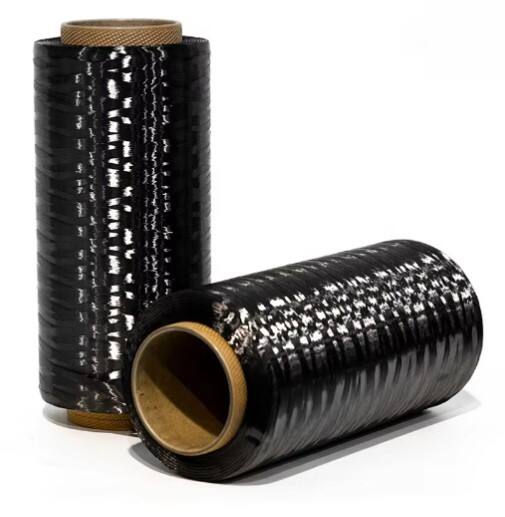
Carbon fiber stands out as a composite material because of how strong it is while still being super light weight, plus it doesn't corrode easily. That's why folks in industries like aerospace love using it so much. What makes this stuff special? Well, basically it consists of tiny carbon threads thinner than what we'd call a strand of human hair. When manufacturers twist these little fibers together they create yarn, and from there they weave them into fabric-like structures. Once processed, the end product becomes something really remarkable - not just light on the scale but also tough enough to withstand serious stress. Compared to old school materials such as aluminum, carbon fiber composites just perform better mechanically across the board.
Making carbon fiber requires going through multiple important stages. First up is choosing the right raw materials, usually either polyacrylonitrile (PAN) or pitch. These substances get processed through polymerization where they turn into those long chain molecules we all hear about. After this stage comes carbonization, basically when manufacturers heat the material at extremely high temps but in an environment without oxygen. What this does is strip away anything that isn't carbon, resulting in something that's mostly just carbon atoms. Once these fibers are ready, they get woven together in different patterns depending on what shape is needed. Then comes the resin application, which binds everything together to create composites strong enough for aerospace components, automotive parts, sports equipment, and even medical devices now days.
Carbon fiber comes in several varieties, primarily distinguished by their tensile strength and stiffness characteristics. Take high-tensile options for example these fibers can handle much greater stress levels which is why they're often seen in critical structural components where failure isn't an option. On the other hand, standard modulus carbon works well when a product needs some give but still maintains strength, think bicycle frames or certain aircraft parts. The ability to select from these different grades means companies can match the right material to their exact requirements across sectors like cars, planes, and sporting goods equipment. This adaptability makes carbon fiber not just versatile but practically indispensable in today's advanced manufacturing landscape.
Why Carbon Fiber is Ideal for eVTOL Applications
Carbon fiber stands out as a great choice for eVTOL applications because it's so light weight, which really boosts efficiency and cuts down on energy needs. When building these flying machines lighter, they consume less power while airborne, which makes them both greener and cheaper to operate in the long run. Take a look at numbers: carbon fiber parts can weigh about 30 percent less than regular old aluminum components. That kind of weight savings matters a lot in eVTOL design since even small reductions mean longer flight times and better overall performance. Manufacturers are starting to realize that going light isn't just about saving money either it actually helps their planes fly farther between charges.
The strength and durability of carbon fiber matter a lot for eVTOLs that need to handle different environments day after day. Carbon fiber doesn't give in easily when subjected to repeated stress or sudden impacts, which means these aircraft can last longer while staying safe during operation. Real world tests show it holds up against extreme weather conditions too, so the planes don't need replacing as often. Looking at actual performance numbers, carbon fiber stands out because it resists wearing down and keeps its properties intact even after years of service. For companies running fleets of electric vertical takeoff and landing vehicles, this kind of lasting power translates directly into reliable operations and fewer maintenance headaches, making them a serious contender for city transportation networks looking for something sturdy enough to handle daily demands.
Applications of Carbon Fiber in eVTOLs
The aviation industry has turned to carbon fiber for many parts of eVTOL (Electric Vertical Takeoff and Landing) aircraft including wings, fuselages, and rotor assemblies. What makes this material so attractive is its amazing strength compared to how light it actually is. Aircraft built with carbon fiber can shed unnecessary pounds without sacrificing structural integrity. Lighter planes mean better fuel economy across the board, and pilots get enhanced control during those tricky takeoffs and landings that define eVTOL operations. These advantages make carbon fiber not just a good choice but almost essential for next generation vertical flight technology.
Carbon fiber isn't just used for the frame work of eVTOLs either it plays a big role in how these aircraft look inside too. Being so light yet strong means designers can build cabins that weigh less without sacrificing space or comfort for folks flying around. When looking at actual implementations, manufacturers have found that replacing traditional materials with carbon fiber allows them to create wider seating areas while still meeting safety standards. Beyond just making things look good, this material actually helps reinforce critical parts of the cabin structure and absorbs vibrations better than metal alternatives would. Passengers tend to notice this difference during flight as there's generally less rattling and shaking compared to conventional aircraft designs.
Many electric vertical takeoff and landing aircraft being developed today are making use of carbon fiber composites throughout their construction. Take Eve Air Mobility as one case in point - they've teamed up with Diehl Aviation specifically to work carbon fiber components into the interior structures of their passenger cabins. The collaboration highlights how manufacturers across the sector are turning to these cutting edge materials not just for weight savings but because carbon fiber actually improves structural integrity while maintaining comfort standards. Companies want planes that last longer between maintenance cycles without sacrificing passenger experience, which is exactly what smart material selection helps achieve.
Benefits of Carbon Fiber for eVTOL Innovation
The use of carbon fiber really takes eVTOL performance to another level when it comes to speed, what these flying machines can carry, and how efficiently they use power. When manufacturers cut down on aircraft weight with this material, the result is not just faster speeds but also better handling of cargo loads. Most engineers working on electric vertical takeoff and landing vehicles know that adding carbon fiber components throughout the design makes batteries work smarter rather than harder. This matters a lot for battery powered crafts because it directly affects how long they can stay airborne and how far they get between charges. The lighter the plane, the longer it flies without needing to recharge.
Carbon fiber actually has some real green benefits because it can be recycled multiple times. When companies start using this material in aircraft production, they cut down on the environmental costs linked to older materials that just don't measure up. According to what the EPA has found, lighter planes burn less fuel during flights, which means fewer harmful gases get released into the atmosphere over time. This makes a big difference for airlines trying to reduce their overall ecological footprint while still maintaining performance standards.
Material scientists have been talking up carbon fiber as something that could really change the game for aviation tech. Take Dr. Emily Chang for instance, who works at the forefront of green aviation materials research. She points out that this stuff is super light but still tough enough to let designers come up with all sorts of new aircraft shapes while keeping passengers safe. Companies making those flying taxis (eVTOLs) are already jumping on board with carbon fiber components. They're seeing better performance metrics across the board, plus they get to tick off some serious sustainability boxes since manufacturing processes generally produce fewer emissions compared to traditional materials.
Challenges and Solutions
Carbon fiber remains expensive to produce, which is holding back its use in electric vertical takeoff and landing (eVTOL) aircraft development. While everyone praises carbon fiber for being super strong yet lightweight, creating it requires complicated steps that drive up prices. The industry knows this problem well, so companies are working hard on new tech and trying to ramp up production volumes to bring down unit costs. Some manufacturers have started implementing automated systems in their factories while others experiment with different materials science approaches. These efforts might eventually make carbon fiber affordable enough for wider adoption across various sectors beyond just aviation.
Maintaining and repairing carbon fiber structures presents another major hurdle because of how different they are from traditional materials. The whole inspection process needs special tools and trained personnel, which makes routine maintenance much harder to handle. Some companies have started adopting new tech for checking these structures without taking them apart completely. Thermal imaging cameras and ultrasound devices are becoming pretty common now for spotting cracks or weaknesses in carbon fiber parts before they become serious problems. These methods save time and money compared to old ways where mechanics had to disassemble entire sections just to check for damage.
Looking at what's happening in the field shows how companies tackle these problems head on. Take Pivotal for instance they've been at the forefront of electric vertical takeoff and landing (eVTOL) tech for years now. They spend serious time and money on figuring out better ways to make their products and keep them running smoothly after sale. What makes them stand out isn't just flashy new inventions though it's really about making sure everything works safely and reliably when those planes actually hit the skies. As these top players keep improving how they build things and implement advanced maintenance routines, they're basically showing everyone else what good looks like when it comes to making carbon fiber eVTOLs that last without costing the earth.
Future Trends in Carbon Fiber for eVTOLs
The manufacturing landscape for carbon fiber used in electric vertical takeoff and landing aircraft is undergoing major changes right now. New developments including automated production systems and better composite materials promise to cut down on how much these specialized fibers cost to produce, making them more affordable without sacrificing quality. What's really interesting though is what happens when manufacturers start incorporating artificial intelligence into their operations. These smart analytics tools help factories run smoother day to day, saving money on materials that would otherwise go to waste while also improving overall productivity across the board.
Bringing together carbon fiber materials with smart tech represents something really interesting for improving eVTOL aircraft performance. Take for instance when manufacturers start putting IoT sensors right into the carbon fiber parts themselves. This lets them monitor how everything is performing in real time and predict when maintenance might be needed before problems happen. Such an approach makes these expensive carbon fiber components much smarter over time. They can actually tell operators important information about their own condition and how they're interacting with different environments during flight operations. Some companies are already experimenting with this kind of technology integration as part of their next generation designs.
The latest market research indicates significant potential for carbon fiber in aviation applications. According to industry forecasts from just last quarter, we're seeing a real spike coming in demand specifically for carbon fiber used in eVTOL manufacturing as cities start seriously considering air taxis and other forms of urban flight. What's driving this trend? Well, aircraft designers need materials that cut weight without sacrificing strength. Carbon fiber delivers both those benefits while also helping planes meet stricter environmental regulations. Manufacturers across the sector are already adjusting their supply chains to accommodate what looks like a long term shift toward these advanced composites.
FAQ
What is eVTOL technology?
eVTOL stands for Electric Vertical Take-Off and Landing. It refers to electrically powered aircraft capable of vertical takeoff and landing, designed for urban air mobility.
Why is carbon fiber important for eVTOLs?
Carbon fiber is crucial for eVTOLs because of its lightweight and strong properties, which enhance efficiency, reduce energy consumption, and improve performance and safety.
How does carbon fiber enhance eVTOL performance?
Carbon fiber enhances eVTOL performance by improving speed, payload capacity, and battery efficiency, while also providing a lightweight yet strong platform that enhances safety and reliability.
What are the challenges of using carbon fiber in eVTOLs?
The challenges include high production costs and complex maintenance and repair processes, which require specialized training and equipment.
What future trends are expected for carbon fiber in eVTOLs?
Future trends include advancements in manufacturing processes, integration with smart technologies, and an increase in demand as urban air mobility expands.