
 EN
EN
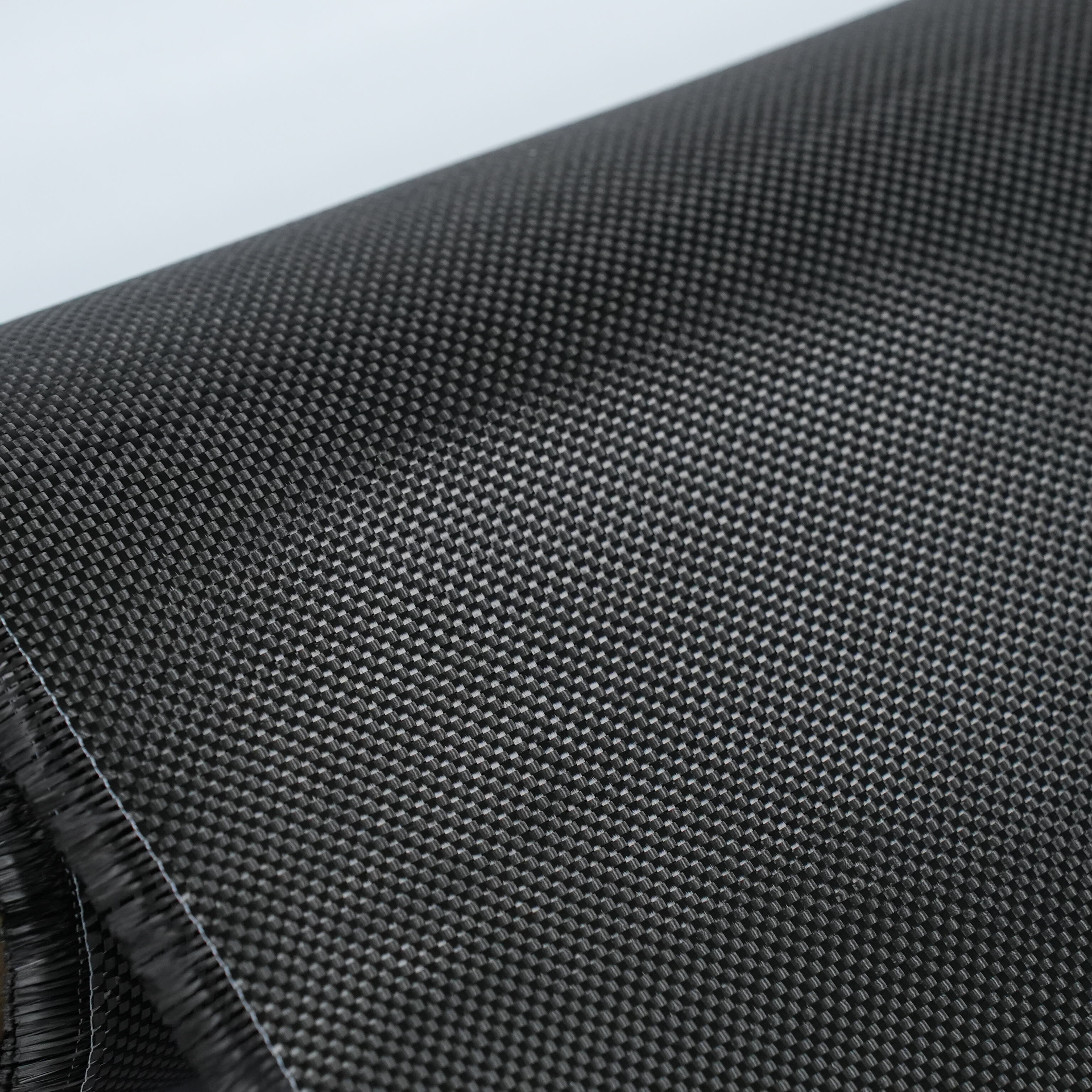
The aerospace, automotive, and marine industries increasingly rely on high-performance materials that deliver exceptional strength-to-weight ratios. Carbon fiber cloth has emerged as the preferred composite material for applications demanding superior mechanical properties without excessive weight penalties. Understanding the diverse weight and strength configurations available in carbon fiber cloth enables engineers and manufacturers to select optimal specifications for their specific requirements. Modern carbon fiber cloth options span multiple weave patterns, fiber counts, and areal densities to accommodate everything from lightweight sporting goods to critical structural components in commercial aircraft.
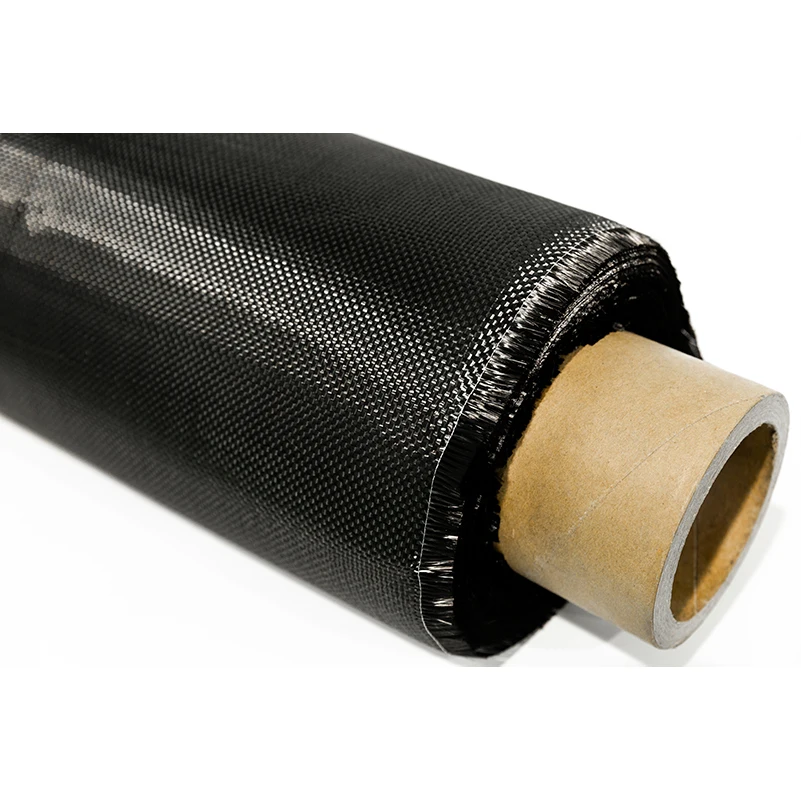
Understanding Carbon Fiber Cloth Weight Classifications
Standard Areal Density Measurements
Carbon fiber cloth weight specifications are typically expressed in grams per square meter (gsm), providing a standardized measurement for comparing different fabric options. The most commonly available weights range from lightweight 160gsm materials suitable for cosmetic applications to heavy-duty 600gsm fabrics designed for structural reinforcement. Mid-range carbon fiber cloth weights of 200gsm, 240gsm, and 400gsm represent the industry sweet spot, balancing processability with mechanical performance. These intermediate weights offer sufficient fiber density for load-bearing applications while maintaining reasonable handling characteristics during layup procedures.
Manufacturing processes and end-use requirements drive the selection of appropriate areal densities in carbon fiber cloth applications. Lighter weight fabrics excel in applications where conformability around complex geometries is paramount, while heavier configurations provide enhanced stiffness and strength properties. The relationship between fabric weight and laminate thickness becomes critical when designing composite structures with specific dimensional constraints. Engineers must consider how carbon fiber cloth weight affects resin uptake, void content, and overall composite density when optimizing part performance.
Impact of Fiber Count on Fabric Properties
The fiber count designation in carbon fiber cloth, expressed as 1K, 3K, 6K, or 12K, indicates the number of individual carbon filaments bundled together in each tow. Higher K values correspond to thicker tow bundles, which influence both the mechanical properties and surface finish characteristics of the resulting composite. Carbon fiber cloth with 1K tows creates smoother surface finishes and better conformability, making it ideal for visible applications requiring aesthetic appeal. Conversely, 12K configurations provide higher strength properties and faster production layup times due to fewer individual tows requiring handling.
The weave architecture of carbon fiber cloth interacts significantly with tow count to determine final composite properties. Plain weave patterns with smaller tow counts exhibit excellent drapability but may show crimp-induced strength reductions compared to unidirectional alternatives. Twill weave configurations using 3K or 6K tows offer improved conformability while maintaining good mechanical properties. Understanding these relationships enables designers to optimize carbon fiber cloth selection based on both performance requirements and manufacturing constraints.
Strength Characteristics Across Different Specifications
Tensile Strength Variations by Configuration
The tensile strength of carbon fiber cloth varies significantly based on fiber type, weave pattern, and processing parameters. High-strength carbon fiber cloth typically exhibits tensile strengths ranging from 3,500 to 6,000 MPa, depending on the specific carbon fiber grade and manufacturing process employed. Standard modulus carbon fibers provide excellent strength properties at competitive costs, while intermediate modulus and high modulus variants offer enhanced stiffness characteristics for specialized applications. The weave pattern influences how effectively these fiber properties translate into composite laminate performance.
Processing variables during carbon fiber cloth manufacturing affect the retention of individual fiber strength properties in the finished fabric. Weaving tensions, sizing applications, and handling procedures can introduce micro-damage that reduces ultimate tensile strength. Quality carbon fiber cloth manufacturers implement strict process controls to minimize strength degradation during fabric production. The resulting fabrics maintain high percentages of the original fiber strength, enabling predictable composite performance in demanding applications.
Flexural and Compressive Strength Properties
While tensile properties often receive primary attention, the flexural and compressive strength characteristics of carbon fiber cloth composites are equally critical for many applications. The weave architecture significantly influences these properties, with balanced plain weaves providing more isotropic behavior compared to unidirectional alternatives. Carbon fiber cloth composites typically exhibit flexural strengths ranging from 800 to 1,500 MPa, depending on fiber volume fraction and matrix properties. Compressive strength values generally fall between 600 to 1,200 MPa, with proper fiber support from the matrix system being essential for achieving optimal performance.
The interaction between carbon fiber cloth weight and resulting composite thickness affects flexural properties through standard beam theory relationships. Heavier weight fabrics enable thicker single-layer construction, potentially improving flexural strength and stiffness properties. However, proper consolidation becomes more challenging with increased fabric thickness, requiring careful attention to processing parameters. The balance between single-layer thickness and multi-layer construction depends on specific application requirements and manufacturing capabilities.
Application-Specific Weight and Strength Requirements
Aerospace Industry Standards
Aerospace applications demand carbon fiber cloth with precisely controlled weight and strength characteristics to meet stringent certification requirements. Commercial aircraft components typically utilize carbon fiber cloth weights between 200gsm and 400gsm, providing optimal combinations of strength, stiffness, and weight savings. The aerospace industry favors intermediate modulus carbon fiber cloth for primary structural applications, where high stiffness-to-weight ratios are paramount. Military and space applications may specify high modulus carbon fiber cloth despite higher costs when maximum performance is required.
Certification processes for aerospace carbon fiber cloth involve extensive testing to verify consistency in mechanical properties across production batches. Statistical process control ensures that strength variations remain within acceptable tolerances for safety-critical applications. The traceability requirements for aerospace-grade carbon fiber cloth extend from raw material sourcing through final composite part production. These stringent quality systems justify premium pricing but ensure reliable performance in demanding flight environments.
Automotive Performance Applications
The automotive industry utilizes carbon fiber cloth across a spectrum of weight and strength specifications, from lightweight interior trim pieces to structural crash components. High-performance vehicle manufacturers often specify 240gsm to 400gsm carbon fiber cloth for body panels, balancing weight reduction with adequate impact resistance. Racing applications may utilize lighter weight carbon fiber cloth where regulations permit, maximizing weight savings at the expense of some durability. The cost sensitivity of automotive applications drives preference for standard modulus carbon fiber cloth in most implementations.
Automotive carbon fiber cloth applications must withstand significant temperature variations, UV exposure, and mechanical stresses throughout vehicle service life. The selection of appropriate fabric weights and strength grades depends on specific component loading conditions and desired service life. Carbon fiber cloth used in automotive applications typically undergoes accelerated aging tests to verify long-term property retention under realistic operating conditions. These testing protocols help ensure that initial strength advantages are maintained throughout the vehicle's operational lifetime.
Manufacturing Considerations for Different Weight Classes
Processing Techniques for Lightweight Fabrics
Lightweight carbon fiber cloth fabrics require specialized handling techniques during composite manufacturing to prevent damage and ensure consistent quality. The delicate nature of thin fabrics makes them susceptible to tearing or distortion during layup procedures, necessitating careful temperature and humidity control in manufacturing environments. Vacuum bagging pressures must be adjusted to prevent fabric distortion while ensuring adequate consolidation. Resin infusion processes with lightweight carbon fiber cloth require precise flow control to avoid fabric displacement during resin introduction.
Tool design for lightweight carbon fiber cloth applications must accommodate the increased conformability of thin fabrics while providing adequate support during cure cycles. Complex geometries benefit from the improved drapability of lighter weight fabrics, but require careful attention to avoid bridging or wrinkling. The increased surface area to weight ratio of lightweight carbon fiber cloth can affect resin absorption rates and overall composite fiber volume fractions. Manufacturers must adjust resin formulations and cure cycles to optimize performance with specific fabric weight selections.
Heavy-Weight Fabric Processing Challenges
Heavy-weight carbon fiber cloth fabrics present unique processing challenges related to their reduced conformability and higher resin requirements. The thicker cross-sections associated with heavy fabrics can create resin-rich or resin-starved regions if infiltration is not carefully controlled. Autoclave processing of heavy carbon fiber cloth may require extended dwell times to ensure complete resin flow and void elimination throughout the fabric thickness. Hand layup techniques become more physically demanding with heavy fabrics, often necessitating mechanical assistance for consistent application.
Quality control measures for heavy-weight carbon fiber cloth focus on ensuring uniform consolidation and avoiding delamination between fabric layers. Non-destructive testing techniques such as ultrasonic inspection become critical for detecting internal defects in thick composite sections. The thermal mass of heavy carbon fiber cloth laminates affects cure kinetics, potentially requiring modified temperature profiles to achieve optimal crosslink density. These processing considerations influence the total cost of manufacturing with different carbon fiber cloth weight specifications.
Cost Factors and Selection Criteria
Economic Considerations Across Weight Ranges
The economic aspects of carbon fiber cloth selection involve balancing material costs against performance requirements and processing efficiency. Lightweight carbon fiber cloth typically commands premium pricing due to the precision required in manufacturing thin, consistent fabrics. Heavy-weight options may offer better cost per unit area but require higher total material investments for equivalent coverage. The relationship between carbon fiber cloth weight and processing costs varies significantly based on manufacturing method and production volume requirements.
Volume purchasing agreements can significantly affect carbon fiber cloth pricing across different weight categories. Manufacturers often achieve better pricing stability by standardizing on specific weight ranges rather than utilizing diverse fabric specifications. The inventory carrying costs associated with carbon fiber cloth storage must factor in shelf life limitations and proper environmental controls. These economic factors often drive convergence toward standard weight offerings that balance performance with cost-effectiveness.
Performance Optimization Strategies
Optimizing carbon fiber cloth selection requires systematic evaluation of application-specific performance requirements against available fabric options. Structural analysis techniques help determine minimum strength requirements, enabling selection of the lightest weight carbon fiber cloth that meets performance criteria. Hybrid approaches combining different fabric weights within single components can optimize material usage and cost while achieving required performance characteristics. Advanced modeling techniques predict composite behavior based on constituent carbon fiber cloth properties.
Testing and validation programs verify that selected carbon fiber cloth specifications deliver expected performance in actual service conditions. Accelerated testing protocols compress years of service exposure into abbreviated test periods, enabling confident material selection for long-term applications. The iterative nature of performance optimization often leads to revised carbon fiber cloth specifications as applications evolve and requirements become better understood through service experience.
FAQ
What is the most common weight range for carbon fiber cloth in industrial applications
Industrial applications most commonly utilize carbon fiber cloth in the 200gsm to 400gsm weight range. This range provides an optimal balance between strength properties, handling characteristics, and cost-effectiveness for most structural applications. The 240gsm specification is particularly popular due to its versatility across automotive, marine, and general industrial uses.
How does carbon fiber cloth weight affect the final composite strength
Carbon fiber cloth weight directly influences composite strength through its effect on fiber volume fraction and laminate thickness. Heavier weight fabrics generally provide higher absolute strength values but may not offer proportional improvements in strength-to-weight ratios. The optimal weight selection depends on specific loading conditions and design requirements for each application.
What strength advantages do higher K-count carbon fiber cloth fabrics provide
Higher K-count carbon fiber cloth fabrics, such as 12K configurations, offer increased tensile strength and faster processing compared to smaller tow counts. However, they may sacrifice some surface finish quality and conformability around complex geometries. The choice between different K-counts should consider both mechanical requirements and aesthetic specifications.
Are there standard testing methods for verifying carbon fiber cloth strength specifications
Yes, carbon fiber cloth strength verification follows established standards such as ASTM D3039 for tensile testing and ASTM D7264 for flexural properties. These standardized test methods ensure consistent property reporting across different manufacturers and enable reliable material comparison and selection for engineering applications.
Table of Contents
- Understanding Carbon Fiber Cloth Weight Classifications
- Strength Characteristics Across Different Specifications
- Application-Specific Weight and Strength Requirements
- Manufacturing Considerations for Different Weight Classes
- Cost Factors and Selection Criteria
-
FAQ
- What is the most common weight range for carbon fiber cloth in industrial applications
- How does carbon fiber cloth weight affect the final composite strength
- What strength advantages do higher K-count carbon fiber cloth fabrics provide
- Are there standard testing methods for verifying carbon fiber cloth strength specifications