
 EN
EN
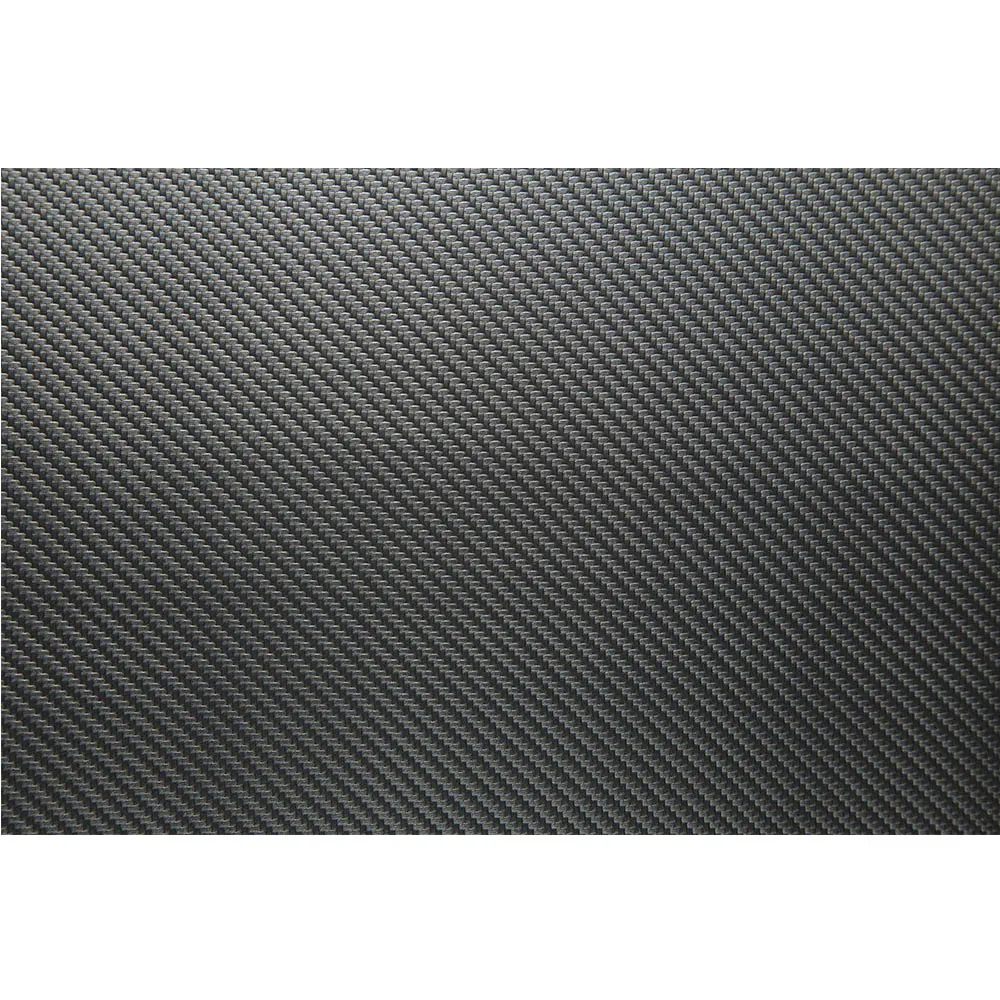
Karbon fiber kompozitler, olağanüstü dayanıklılık-ağırlık oranı, korozyona direnç ve tasarım esnekliği nedeniyle çok sayıda sektörde modern imalat yöntemlerini dönüştürmüştür. Bu gelişmiş malzemeler, yüksek performans gerektiren ancak aynı zamanda sıkı ağırlık sınırlamalarını koruyan sektörlere yayılmaya devam etmektedir. Bu malzemelere en çok güvendiği bilinen sektörleri anlamak, mevcut piyasa trendlerine ve dünya çapında imalat stratejilerini şekillendirecek gelecekteki teknolojik gelişmelere ışık tutar.
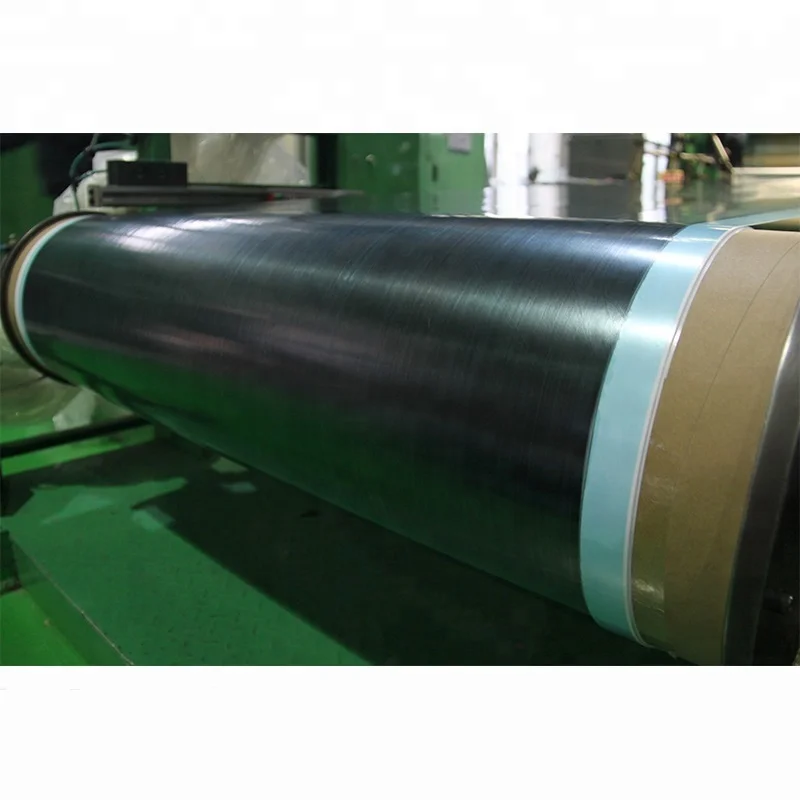
Karbon Fiber Uygulamalarında Havacılık Sektörü Liderliği
Ticari Havacılık Dönüşümü
Havacılık endüstrisi, karbon fiber kompozitlerin yenilik ve benimsenmesinin başlıca itici gücüdür. Ticari uçak üreticileri, bu malzemeleri geleneksel alüminyum yapıya kıyasla uçağın toplam ağırlığını %20'ye varan oranlarda azaltan kritik yapısal bileşenlere giderek daha fazla entegre etmektedir. Modern yolcu uçaklarında artık gövde bölümleri, kanat yapıları ve iç bileşenler gibi alanlarda karbon fiber kompozitler kullanılmakta olup, bu durum yakıt verimliliğinde iyileşme ve uçuş menzilinin uzamasına olanak tanımakta ve bunun sonucunda işletme maliyetlerini doğrudan etkilemektedir.
Büyük uçak üreticileri, karbon fiber kompozitlerin kullanımını yapısal uygulamaların ötesine taşıyarak motor bileşenleri, iniş takımları montajları ve hatta gelişmiş aviyonik muhafazaları gibi alanlara kadar yaymaya devam etmektedir. Malzemenin uç sıcaklık değişimlerine dayanma ve gerilim altında boyutsal stabilitesini koruma yeteneği, uçuş sırasında önemli termal çevrimlere maruz kalan bileşenler için vazgeçilmez bir değer taşımaktadır.
Askeri ve Savunma Uygulamaları
Savunma müteahhitleri, ağırlık azaltmanın doğrudan gelişmiş performans kabiliyetlerine dönüştüğü askeri uçaklarda, insansız hava araçlarında ve füze sistemlerinde karbon fiber kompozitleri yaygın olarak kullanır. Bu malzemeler, radar emici özellikleri sayesinde gizlilik özelliklerini mümkün kılar ve aynı zamanda savaş operasyonları için gereken yapısal bütünlüğü sağlar. İleri düzey avcı uçakları, süperior manevra kabiliyeti ve azaltılmış bakım gereksinimleri elde etmek amacıyla gövde yapılarının tamamında karbon fiber kompozitler kullanır.
Uzay keşif programları, her bir gram ağırlık azaltmanın fırlatma işlemlerinde önemli maliyet tasarruflarına dönüştüğü uydu yapımı, roket bileşenleri ve uzay aracı yapıları için karbon fiber kompozitleri benimsemiştir. Malzemenin radyasyona ve termal şoka karşı direnci, onu uzayın zorlu ortamı uygulamaları için özellikle uygun hale getirir.
Otomotiv Sektörünün Evrimi ve Entegrasyonu
Yüksek Performanslı Araç Üretimi
Otomotiv endüstrisi, özellikle lüks ve performans araç segmentlerinde karbon fiber kompozitlerin benimsenmesinde dikkate değer bir büyüme yaşadı. Üreticiler, hem performansı hem de yakıt verimliliğini artırmaya yönelik hafif gövde panelleri, şasi bileşenleri ve iç mekân elemanları oluşturmak için bu malzemeleri kullanır. Süperaraba üreticileri, araçlarının rekabet avantajlarını belirleyen optimal güç-ağırlık oranlarını elde etmek için bunu karbon Lif Kompozitler standart ekipman haline getirdi.
Yarış uygulamaları, karbon fiber kompozit teknolojisinin sınırlarını zorlamaya devam ederken, Formula 1 ve dayanıklılık yarış serileri, nihayetinde tüketici araçlarına giren malzemeler için deneme alanları olarak hizmet vermektedir. Bu zorlu uygulamalar, yarış koşulları boyunca aşırı mekanik streslere dayanabilen ve aynı zamanda tutarlı performans özelliklerini koruyabilen malzemeler gerektirir.
Kitle Pazarı Otomotiv Benimsenmesi
Geleneksel otomotiv üreticileri, üretim maliyetlerinin düşmesi ve üretim süreçlerinin daha verimli hale gelmesiyle birlikte karbon fiber kompozitleri kademeli olarak seri üretilen araçlara entegre ediyorlar. Elektrikli araç üreticileri özellikle karbon fiber kompozitlerin ağırlık azaltma özelliklerinden yararlanmaktadır çünkü daha hafif araçlar, istenen menzil kapasitesini korurken daha küçük pil paketlerine ihtiyaç duyar.
Otomatik lif yerleştirme ve reçine transfer kalıplama gibi gelişmiş üretim teknikleri, otomotiv şirketlerinin daha önce ekonomik olarak değerlendirilmeyen hacimlerde karbon fiber kompozit bileşenleri üretmesini sağladı. Bu teknolojik ilerleme, malzemenin ana otomotiv uygulamalarında varlığını genişletmeye devam ediyor.
Deniz ve Denizcilik Uygulamaları
Yüksek Performanslı Tekne İnşası
Denizcilik endüstrisi, ağırlık azaltmanın doğrudan hız, yakıt verimliliği ve manevra özelliklerini etkilediği yüksek performanslı teknelerin, yatların ve yarış gemilerinin inşasında karbon fiber kompozitleri benimsemiştir. Lüks yat üreticileri, olağanüstü dayanıklılık ile düşük ağırlığın birleştiği ve böylece gelişmiş performans sunan gemiler oluşturmak amacıyla karbon fiber kompozitleri gövde yapımı, üst yapılar ve iç bileşenlerde yaygın olarak kullanır.
Ticari deniz uygulamaları arasında, açık deniz petrol platformları, rüzgar türbini destek yapıları ve zorlu deniz ortamlarında çalışan özel amaçlı gemiler için karbon fiber kompozitler yer alır. Malzemenin tuzlu suya karşı korozyona direnci, geleneksel malzemelerin sık bakım veya yenileme gerektirdiği uygulamalarda özellikle değerli hale getirir.
Eğlence Tekneciliği Yenilikleri
Rekreasyonel tekne üreticileri, yapısal bütünlüğü korurken yakıt verimliliğini artırmak ve çevresel etkiyi azaltmak amacıyla tasarımalarına giderek daha fazla karbon fiber kompozitler eklemektedir. Bu uygulamalar küçük yarış teknelerinden başlayıp büyük rekreasyonel gemilere kadar uzanır ve ağırlık tasarrufu doğrudan performans artışı ve işletme maliyetlerinde azalma olarak karşılık bulur.
Yelkenli uygulamalar özellikle direk konstrüksiyonlarında, donanım bileşenlerinde ve gövde yapılarında karbon fiber kompozitlerden yararlanır; bu malzemenin yüksek mukavemet-ağırlık oranı, yapısal güvenlik payları korunurken daha büyük yelken alanlarına ve gelişmiş yelken performansına olanak tanır.
Spor ve Rekreasyon Ekipmanı Üretimi
Profesyonel Spor Ekipmanları
Spor ekipmanı üreticileri, bu gelişmiş malzemelerle birlikte gelen yüksek maliyetleri haklı çıkaran performans avantajlarının önemli olduğu birçok uygulamada karbon fiber kompozitleri benimsemiştir. Profesyonel tenis raketi, golf sopaları ve bisiklet parçaları, sporculara rekabetçi avantaj sağlayan genel performans özelliklerini artırmak ve enerji aktarım verimliliğini iyileştirmek amacıyla ağırlık dağılımını optimize etmek için karbon fiber kompozitler kullanır.
Bisiklet sektörü uygulamaları, rekabetçi ortamlarda doğrudan performansı etkileyen hafifletme imkanı sunan çerçeve yapısı, tekerlek bileşenleri ve özel aksesuarları içerir. Profesyonel bisiklet takımları, özellikle zorlu yarışlarda sonuçları belirleyebilecek küçük performans artışları elde etmek için bu malzemelere güvenir.
Tüketici Eğlence Ürünler
Tüketici spor ekipmanlarında, üretim maliyetlerinin düşmesi ve performans avantajlarının rekreasyon kullanıcıları için daha erişilebilir hale gelmesiyle birlikte karbon fiber kompozitler giderek daha fazla kullanılmaktadır. Olta kamışları, okçuluk ekipmanları ve kış sporları donanımları gibi ürünler, bu malzemeleri uzun kullanım süreleri boyunca gelişmiş performans özellikleri sayesinde kullanıcı deneyimini artırarak yorgunluğu azaltmak amacıyla kullanmaktadır.
Açık havada yapılan rekreasyon ekipmanı üreticileri, karbon fiber kompozitleri ağırlık azaltmanın açık havada uzun süreli etkinlikler sırasında kullanıcı deneyimini önemli ölçüde artırdığı trekking değnekleri, kamp malzemeleri ve taşınabilir ekipmanlarda kullanmaktadır. Bu uygulamalar, karbon fiber kompozitlerin geleneksel yüksek performanslı alanların ötesine geçerek tüketici pazarlarına nasıl yayılmaya devam ettiğini göstermektedir.
Enerji Sektörü Uygulamaları ve Büyüme
Rüzgar Enerjisi Altyapısı
Yenilenebilir enerji sektörü, özellikle malzeme özelliklerinin enerji üretimi verimliliğini doğrudan etkilediği rüzgar türbini kanat yapımında, karbon fiber kompozitlerin en hızlı büyüyen pazarlarından biridir. Karbon fiber kompozitler sayesinde daha uzun türbin kanatları, aşırı hava koşulları ve işletme stresi altında yapısal bütünlüğü korurken daha fazla rüzgar enerjisi yakalayabilir.
Açık deniz rüzgar kurulumları, malzemenin korozyona dayanıklılığı ve zorlu deniz ortamlarında bakım gereksiniminin azalması nedeniyle karbon fiber kompozitlerden özellikle yararlanır. Bu uygulamalar, tuzlu suya maruziyet, aşırı sıcaklıklar ve sürekli mekanik gerilime yıllarca boyunca performans özelliklerini koruyarak dayanabilecek malzemeler gerektirir.
Petrol ve Gaz Sektörü Entegrasyonu
Petrol ve gaz şirketleri, geleneksel malzemelerin korozyonlu ortamlarda sınırlamalarla karşılaştığı sondaj ekipmanlarında, boru hattı bileşenlerinde ve açık deniz platform yapılarında karbon fiber kompozitleri kullanır. Bu uygulamalar, malzemenin kimyasal direncinden ve derin deniz sondaj işlemlerinde karşılaşılan aşırı basınç ve sıcaklık koşullarında yapısal bütünlüğünü koruma kabiliyetinden faydalanır.
Gelişmiş sondaj uygulamaları, malzeme arızasının önemli işletme kesintilerine ve güvenlik sorunlarına yol açabileceği zorlu ortamlarda çalışan özel araçlara ve ekipmanlara karbon fiber kompozitler entegre eder. Zorlu bu uygulamalarda karbon fiber kompozitlerin güvenilirliği, enerji sektöründe benimsenmeyi sürdürmektedir.
Tıbbi Cihaz ve Sağlık Uygulamaları
Tıbbi Ekipman İnovasyonu
Sağlık sektörü, biyouyumluluk, yüksek mukavemet ve radyolusent özelliklerin geleneksel malzemelere kıyasla önemli avantajlar sağladığı tıbbi cihaz üretiminde karbon fiber kompozitleri giderek daha fazla kullanmaktadır. Cerrahi aletler, ortopedik implantlar ve tanı ekipmanları, karbon fiber kompozitlerin sunduğu benzersiz özellikler sayesinde hasta sonuçlarının iyileştirilmesine ve tıbbi işlemlerin geliştirilmesine katkıda bulunur.
Gelişmiş tıbbi görüntüleme ekipmanları, hastaların pozisyonlanmasında kullanılan tablolar ve aygıt desteklerinde X-ışını ve diğer görüntüleme yöntemlerine karşı malzemenin şeffaflığı nedeniyle müdahale oluşturmadan gerekli yapısal desteği sağlaması için karbon fiber kompozitlerden yararlanır. Bu uygulamalar, hassas sağlık ortamlarında tutarlı performans sunarken aynı zamanda katı tıbbi cihaz yönetmeliklerine de uygun malzemeler gerektirir.
Protezler ve Rehabilitasyon Ekipmanları
Protez cihaz üreticileri, kullanıcı konforunu ve işlevselliğini artırırken geleneksel daha ağır malzemelerle ilişkili yorulmayı azaltan hafif, dayanıklı bileşenler oluşturmak için karbon fiber kompozitler kullanır. Bu uygulamalar, uzun süreli kullanım süresince boyutsal stabiliteyi ve performans özelliklerini korurken günlük kullanıma dayanabilen malzemeler gerektirir.
Karbon fiber kompozit içeren rehabilitasyon ekipmanları, hem kullanıcılar hem de bakım verenler üzerindeki fiziksel stresi azaltırken tedavi etkinliğini artırmaya yardımcı olan araçlar sunar. Karbon fiber kompozitlerin çok yönlülüğü, belirli hasta ihtiyaçlarına ve tedavi gereksinimlerine göre uyarlanmış özel çözümler sunulmasını sağlar.
SSS
Karbon fiber kompozitleri havacılık uygulamalarında özellikle değerli kılan nedir?
Karbon fiber kompozitler, uçak yapımında önemli ölçüde ağırlık azaltmalarına olanak tanıyan olağanüstü dayanıklılık-ağırlık oranları sunar ve bu da doğrudan yakıt verimliliğinde iyileşme ile menzil kapasitesinde uzamaya çevrilir. Yorulmaya, korozyona ve aşırı sıcaklık değişimlerine direnci sayesinde, zorlu uçuş operasyonları boyunca performansını koruması gereken kritik yapısal bileşenler için idealdir ve geleneksel malzemelere kıyasla bakım gereksinimlerini azaltır.
Farklı endüstrilerde karbon fiber kompozitlerin benimsenmesini üretim maliyetleri nasıl etkiler?
İmalat maliyetleri, karbon fiber kompozitlerin benimsenme modellerini önemli ölçüde etkiler ve havacılık ile savunma alanlarındaki yüksek değerli uygulamalar, performans avantajları sayesinde üstün malzeme maliyetlerini haklı çıkarır. Üretim hacimleri arttıkça ve imalat süreçleri daha verimli hâle geldikçe maliyetler düşmeye devam eder ve daha önce fiyat duyarlılığının piyasa yayılımını sınırladığı otomotiv, spor ekipmanları ve tüketici uygulamaları gibi alanlarda yaygın kullanımın önünü açar.
Deniz uygulamalarında karbon fiber kompozitlerin seçilmesini sağlayan çevresel faktörler nelerdir?
Deniz ortamları, geleneksel malzemelerin uzun süre boyunca dayanması zor olan tuzlu su korozyonu, UV maruziyeti ve aşırı hava koşulları gibi benzersiz zorluklar sunar. Karbon fiber kompozitler, yakıt verimliliği ve performansı artırmak için gemi ağırlığını azaltırken üstün korozyon direnci ve boyutsal stabilite sağlar ve bu da onları hem eğlence amaçlı hem de ticari deniz uygulamaları için giderek daha cazip hale getirir.
Karbon fiber kompozitler yenilenebilir enerji altyapısı gelişimine nasıl katkıda bulunur?
Karbon fiber kompozitler, yapısallaşma bütünlüğünü aşırı hava koşullarında korurken daha fazla rüzgar enerjisi yakalayabilen daha uzun rüzgar türbini kanatlarının inşasına imkan tanır. Korozyona dayanıklılıkları ve bakım gereksinimlerinin azalması, onarıma erişimin sınırlı ve maliyetli olduğu açık deniz rüzgar kurulumları için özellikle değerli kılar ve yenilenebilir enerji altyapısının dünya çapında genişlemesini destekler.
İçindekiler
- Karbon Fiber Uygulamalarında Havacılık Sektörü Liderliği
- Otomotiv Sektörünün Evrimi ve Entegrasyonu
- Deniz ve Denizcilik Uygulamaları
- Spor ve Rekreasyon Ekipmanı Üretimi
- Enerji Sektörü Uygulamaları ve Büyüme
- Tıbbi Cihaz ve Sağlık Uygulamaları
-
SSS
- Karbon fiber kompozitleri havacılık uygulamalarında özellikle değerli kılan nedir?
- Farklı endüstrilerde karbon fiber kompozitlerin benimsenmesini üretim maliyetleri nasıl etkiler?
- Deniz uygulamalarında karbon fiber kompozitlerin seçilmesini sağlayan çevresel faktörler nelerdir?
- Karbon fiber kompozitler yenilenebilir enerji altyapısı gelişimine nasıl katkıda bulunur?