
 EN
EN
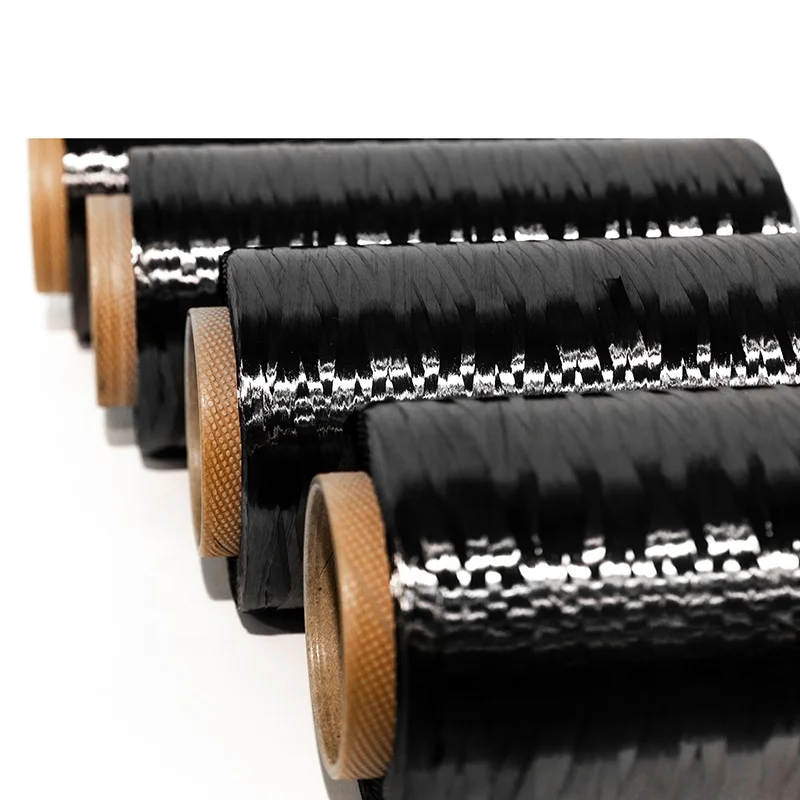
При виборі матеріалів для армування композитних матеріалів інженери та виробники часто стикаються з необхідністю вибрати між вуглепластиком та склотканиною. Обидва матеріали є важливими армуючими тканинами в різних галузях промисловості, проте мають суттєво різні характеристики, що робить кожен з них придатним для певних застосувань. Розуміння цих відмінностей має вирішальне значення для прийняття обґрунтованих рішень у проектах авіаційної, автомобільної, суднобудівної та промислової галузей. Вуглецева тканина пропонує виняткове співвідношення міцності до ваги та надзвичайну жорсткість, тоді як склотканина забезпечує економічно вигідні рішення з хорошою механічною міцністю для багатьох типових застосувань.
Матеріал складу та виробничі процеси
Конструкція вуглецевої тканини
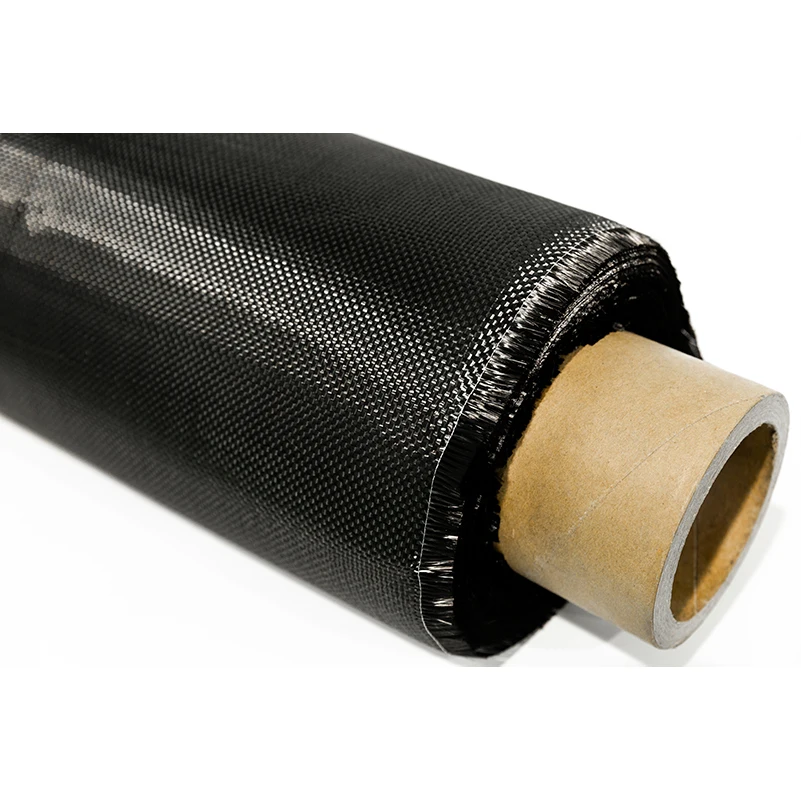
Карбонове полотно складається з тисяч мікроскопічних карбонових ниток, сплетених разом для створення тканинної структури. Ці нитки виготовляються за допомогою складного процесу піролізу, під час якого органічні попередники, як правило поліакрилонітрил (PAN) або пек, піддаються контрольованому нагріванню в умовах, що виключають наявність кисню. Отримані карбонові волокна містять понад 90% вуглецю, забезпечуючи виняткову міцність і жорсткість. Малюнки переплетення ниток у карбоновому полотні можуть варіюватися від простого полотняного до саржевого та атласного, кожен з яких має різні властивості обробки й поверхневі характеристики.
Виробничий процес виготовлення тканини з вуглепластику вимагає точного контролю температури та спеціалізованого обладнання, що сприяє його вищій вартості порівняно з іншими матеріалами армування. Сучасні виробничі потужності використовують автоматизовані ткацькі верстати, які можуть створювати постійну вагу тканини в діапазоні від 160 г/м² до понад 600 г/м². Заходи контролю якості забезпечують рівномірний розподіл волокон і правильне нанесення фіксуючого складу, що впливає на сумісність тканини з різними смолистими системами. Отриманий вуглецеве волокно тканина виявляє чудові характеристики підвісу та здатність пристосовуватися до складних вигнутих поверхонь.
Виробництво склотканини
Склотканина, відома також як тканина зі скловолокна, виготовляється із скловолокон на основі діоксиду кремнію, які отримують шляхом витягування розплавленого скла при надзвичайно високих температурах. Склад скла зазвичай включає діоксид кремнію, оксид алюмінію, оксид кальцію та інші добавки, що покращують певні властивості. Ці скловолокна потім збирають у нитки та ткуть у різні типи тканин за допомогою звичайного текстильного обладнання. Процес виробництва склотканини є більш відпрацьованим і менш енергоємним, ніж виробництво вуглепластику, що призводить до значно нижчої вартості матеріалу.
Різні марки склотканини виготовляються шляхом зміни складу скла та діаметра волокна. Найпоширенішим типом для загального застосування залишається Е-скло, тоді як S-скло пропонує підвищені показники міцності для вимогливих застосувань. Процес ткацтва може передбачати різні узори та щільність матеріалу, поширена вага тканин становить від 170 г/м² до 800 г/м². Поверхневі обробки та нанесення покриттів забезпечують належне зчеплення з смолою та зручність обробки під час виготовлення композитів.
Механічні властивості та характеристики експлуатації
Порівняння міцності та жорсткості
Вуглецева тканина має значно вищу міцність на розтягнення та модуль пружності порівняно зі скловолокном. Типова вуглецева тканина демонструє міцність на розрив понад 3500 МПа та значення модуля вище 230 ГПа, залежно від марки волокна та способу переплетення. Це надзвичайне співвідношення міцності до ваги робить вуглецеву тканину ідеальною для авіаційно-космічної галузі, високоефективних автомобільних компонентів і спортивних товарів, де критично важливе зменшення ваги. Висока жорсткість матеріалу запобігає прогинанню під навантаженням, забезпечуючи структурну цілісність у складних умовах експлуатації.
Склотканина, хоч і не досягає абсолютних показників міцності вуглецевого волокна, все ж забезпечує відмінні механічні властивості для багатьох застосувань. Стандартні тканини з Е-скла зазвичай мають межу міцності на розрив близько 2000–2500 МПа та модуль пружності приблизно 70–80 ГПа. Нижчий модуль забезпечує більш гнучкі композити, які ефективно поглинають енергію удару. Для застосувань, де потрібні гарні показники міцності при помірному рівні вартості, склотканина пропонує привабливий баланс продуктивності та доступності.
Опір втоми та довговічність
Як тканина з вуглепластику, так і скловолокно демонструють чудову стійкість до втоми, коли правильно перероблені у композитні конструкції. Тканина з вуглепластику зберігає стабільні механічні властивості протягом мільйонів циклів навантаження, що робить її придатною для застосувань, які піддаються повторним напруженням. Стійкість матеріалу до повзучості та релаксації напружень забезпечує довготривалу розмірну стабільність у конструкційних застосуваннях. Однак композити з вуглепластику можуть проявляти крихке руйнування в умовах екстремального навантаження.
Склотканина забезпечує гарну витривалість із додатковою перевагою більш плавного розвитку пошкодження. Здатність матеріалу перерозподіляти напруження завдяки механізмам місткотворення волокон може запобігти катастрофічному руйнуванню в деяких застосуваннях. Довговічність у різних умовах середовища варіюється для цих двох матеріалів: вуглецеве волокно демонструє чудову стійкість до більшості хімічних середовищ, тоді як скловолокно може з часом погіршуватися в лужних умовах.
Аналіз вартості та економічні аспекти
Вартість сировини
Різниця в вартості між тканиною з вуглецевого волокна та склотканиною є одним із найважливіших чинників при виборі матеріалів. Тканина з вуглецевого волокна зазвичай коштує в 10–20 разів більше, ніж аналогічні матеріали зі скловолокна, через складні процеси виробництва та енергоємні методи отримання. Ця різниця у вартості впливає не лише на закупівлю матеріалів, але й на управління запасами та планування бюджету проектів. Проте переваги тканини з вуглецевого волокна у експлуатаційних характеристиках можуть виправдати вищі витрати в застосуваннях, де зменшення ваги призводить до підвищення паливної ефективності або покращення продуктивності.
Склотканина залишається економічно вигідним варіантом для серійного виробництва, де помірні вимоги до міцності можна задовольнити з нижчими витратами. Відпрацьоване постачання та зрілі виробничі процеси сприяють стабільній ціновій політиці та оперативній доступності запасів. Для застосування у будівництві, суднобудуванні та загальній промисловості склотканина забезпечує достатню продуктивність за цінами, які підтримують комерційну рентабельність.
Витрати на обробку та виробництво
Витрати на обробку композитів із вуглепластикової тканини часто потребують спеціальних процедур та обладнання через більшу вартість матеріалу та специфічні вимоги до обробки. Для авіаційно-космічних застосувань може знадобитися середовище чистих кімнат, а точний контроль температури стає критичним під час процесів затвердіння. Ці додаткові вимоги збільшують загальні виробничі витрати, але забезпечують оптимальну продуктивність армування з вуглепластикової тканини.
Обробка склотканини вигідною завдяки добре відпрацьованим технологіям виробництва та стандартному промисловому обладнанню. Невибагливість матеріалу під час обробки та використання зменшує потребу в навчанні персоналу і мінімізує утворення відходів. Стандартні методи, такі як формування з заливкою смоли, ручна укладка та вакуумне ущільнення, ефективно працюють ізі склотканиною, що дозволяє утримувати витрати на обробку на прийнятному рівні для більшості застосувань.
Застосування -Специфічні вимоги до продуктивності
Аерокосмічна та високо продуктивна сфери
Вуглепластикові тканини домінують в авіаційних застосуваннях, де зменшення ваги безпосередньо впливає на паливну ефективність і вантажопідйомність. Виробники літаків використовують різні марки вуглепластикових тканин у первинних несучих конструкціях, поверхнях керування та внутрішніх панелях. Виняткове співвідношення міцності до ваги матеріалу дозволяє створювати тонші шари ламінату, які відповідають суворим вимогам сертифікації, одночасно мінімізуючи загальну вагу літака. Складні типи переплетення ниток та гібридні конструкції дають змогу інженерам адаптувати властивості вуглепластикових тканин під певні напрямки навантажень і умови експлуатації.
Автомобільні застосунки високого рівня продуктивності все частіше спираються на вуглепластикову тканину для панелей кузова, компонентів шасі та внутрішніх конструкцій. У гоночних застосунках особливо відчувається перевага матеріалу, який забезпечує максимальну міцність і жорсткість при мінімальному збільшенні ваги. Автомобільна промисловість продовжує розробляти економічно ефективні виробничі процеси, щоб зробити вуглепластикову тканину доступнішою для масового виробництва транспортних засобів, особливо у застосунках електромобілів, де зменшення ваги подовжує запас ходу.
Марині та промислові застосування
Морські застосування створюють унікальні виклики, у яких як тканина з вуглепластику, так і склотканина знаходять своє призначення. Високопродуктивні вітрильні яхти та гоночні човни використовують тканину з вуглепластику для щогл, корпусів і палубних конструкцій, де зменшення ваги покращує експлуатаційні характеристики та керованість. Стійкість матеріалу до корозії морською водою робить його ідеальним для важких морських умов. Однак вища вартість обмежує використання тканини з вуглепластику преміальними суднами та гоночними застосуваннями.
Склотканина залишається стандартним вибором для більшості морських застосувань, включаючи розважальні човни, комерційні судна та офшорні споруди. Доведена міцність матеріалу в морських умовах, поєднана з помірною вартістю та відпрацьованими процедурами ремонту, робить його практичним для масового застосування. Промислові застосування, такі як обладнання для хімічної переробки, резервуари для зберігання та архітектурні панелі, часто використовують склотканину завдяки її стійкості до хімікатів і вигідному співвідношенню ціни та якості.
Техніки обробки та виробничі аспекти
Сумісність з смолою та вимоги до затвердіння
Вуглецева тканина демонструє чудову сумісність з різними системами смол, включаючи епоксидну, вінілестер та спеціалізовані високотемпературні склади. Коефіцієнт термічного розширення матеріалу майже збігається з багатьма системами смол, що мінімізує внутрішні напруження під час процесів затвердіння. Температури обробки композитів з вуглецевої тканини можуть коливатися від систем з затвердінням при кімнатній температурі до процесів із підвищеною температурою понад 180 °C, залежно від конкретних вимог застосування та вибору смоли.
Склохрест ефективно працює з ширшим діапазоном систем смол, включаючи поліестерні, вінілестерні та епоксидні склади. Характеристики розширення матеріалу при нагріванні відрізняються від склотканини, що вимагає ретельного підходу до вибору смоли для мінімізації термічних напружень. Стандартна температура обробки зазвичай залишається нижче 120 °C для більшості застосувань скловолокна, що робить матеріал сумісним зі стандартним промисловим обладнанням та процесами затвердіння.
Вимоги до обробки та зберігання
Правильне поводження з вуглепластиком вимагає уваги, щоб запобігти пошкодженню делікатної структури волокон і зберегти характеристики драпирування тканини. Умови зберігання мають забезпечувати захист матеріалу від вологи, ультрафіолетового випромінювання та механічних пошкоджень. Вища вартість вуглецевої тканини потребує ретельного управління запасами та процедур мінімізації відходів. Можуть знадобитися спеціальні інструменти для різання та методи поводження, щоб запобігти розтріскуванню волокон і забезпечити чисте підготовлення країв.
Обробка склотканини, як правило, є простішою, хоча належне захисне обладнання залишається обов'язковим через можливу подразнення шкіри від скловолокна. Міцність матеріалу під час обробки зменшує ризик пошкодження під час зберігання та технологічних операцій. Стандартне обладнання та процедури обробки текстилю ефективно працюють ізі склотканиною, спрощуючи вимоги до навчання персоналу та експлуатаційні процедури.
Вплив на навколишнє середовище та сталість
Екологічний слід виробництва
Виробництво вуглепластикової тканини потребує значних енергетичних витрат під час виготовлення волокон, що призводить до більшого вуглецевого сліду порівняно з виробництвом склотканини. Проте економія ваги, досягнута завдяки використанню вуглепластикової тканини, може компенсувати первинний екологічний вплив за рахунок підвищення паливної ефективності у транспортних застосуваннях. При порівнянні екологічних наслідків оцінка життєвого циклу повинна враховувати як вплив виробництва, так і експлуатаційні переваги.
Виробництво скловолокна використовує легко доступні сировинні матеріали та добре встановлені технологічні процеси з нижчими енергетичними витратами. Тривалий термін служби матеріалу та його переробка сприяють сталому виробництву. Однак при утилізації слід враховувати міцність матеріалу та обмежену біодеградацію в природному середовищі.
Розгляд питань на кінець життя
Переробка композитів із вуглецевого волокна стикається з труднощами через міцний зв'язок між волокнами та матричними матеріалами. Новітні технології переробки вуглецевого волокна, зокрема піроліз та хімічні процеси, пропонують потенційні рішення для вилучення цінного вуглецевого волокна з композитів, що вичерпали свій термін служби. Висока вартість вуглецевого волокна створює економічні стимули для розробки ефективних процесів переробки.
Композити зі склотканини мають подібні проблеми із переробкою, хоча нижча вартість матеріалу зменшує економічні стимули для процесів відновлення. Альтернативні методи утилізації, зокрема використання відходів для отримання енергії, забезпечують можливості управління відходами скловолокна. Дослідження механічних процесів переробки, які дозволяють відновлювати скловолокно для вторинного використання, тривають.
ЧаП
Яка основна різниця у міцності між тканиною з вуглепластикових волокон і склотканиною?
Тканина з вуглепластикових волокон зазвичай має межу міцності при розтягуванні понад 3500 МПа порівняно зі склотканиною, яка становить 2000–2500 МПа. Модуль пружності для тканини з вуглепластикових волокон досягає більше 230 ГПа, тоді як для склотканини зазвичай характерний діапазон 70–80 ГПа. Це означає, що тканина з вуглепластикових волокон приблизно на 40–50 % міцніша та утричі жорсткіша за склотканину.
Чому тканина з вуглепластикових волокон дорожча за склотканину?
Вища вартість вуглецевої тканини пояснюється енергоємними процесами виробництва, спеціалізованими попередниками та складними вимогами до контролю якості. Виробничий процес потребує точного контролю температури та середовищ, позбавлених кисню, що значно збільшує витрати на виробництво. Через ці технологічні ускладнення вуглецева тканина зазвичай коштує в 10–20 разів більше, ніж аналогічні склотканини.
Який матеріал кращий для морських застосувань?
Вибір залежить від конкретних вимог до застосування та бюджетних обмежень. Вуглецева тканина чудово підходить для високопродуктивних гоночних човнів і розкішних яхт, де зменшення ваги покращує продуктивність і паливну ефективність. Склотканина залишається переважним вибором для прогулянкових човнів, комерційних суден і більшості морських конструкцій завдяки доведеній міцності, прийнятній вартості та відпрацьованим процедурам ремонту в солоній воді.
Чи можна використовувати одночасно тканину з вуглепластику та скловолокно в одному композиті?
Так, гібридні композити, що поєднують тканину з вуглепластику та скловолокно, широко використовуються в застосунках, де потрібне оптимальне співвідношення продуктивності та вартості. Різні матеріали можна стратегічно шарувати, розміщуючи вуглепластик у зонах підвищеного навантаження, а скловолокно — у менш відповідальних областях. Однак для успішного створення гібридних конструкцій необхідно ретельно враховувати різницю у коефіцієнтах теплового розширення та сумісність процесів обробки.