
 EN
EN
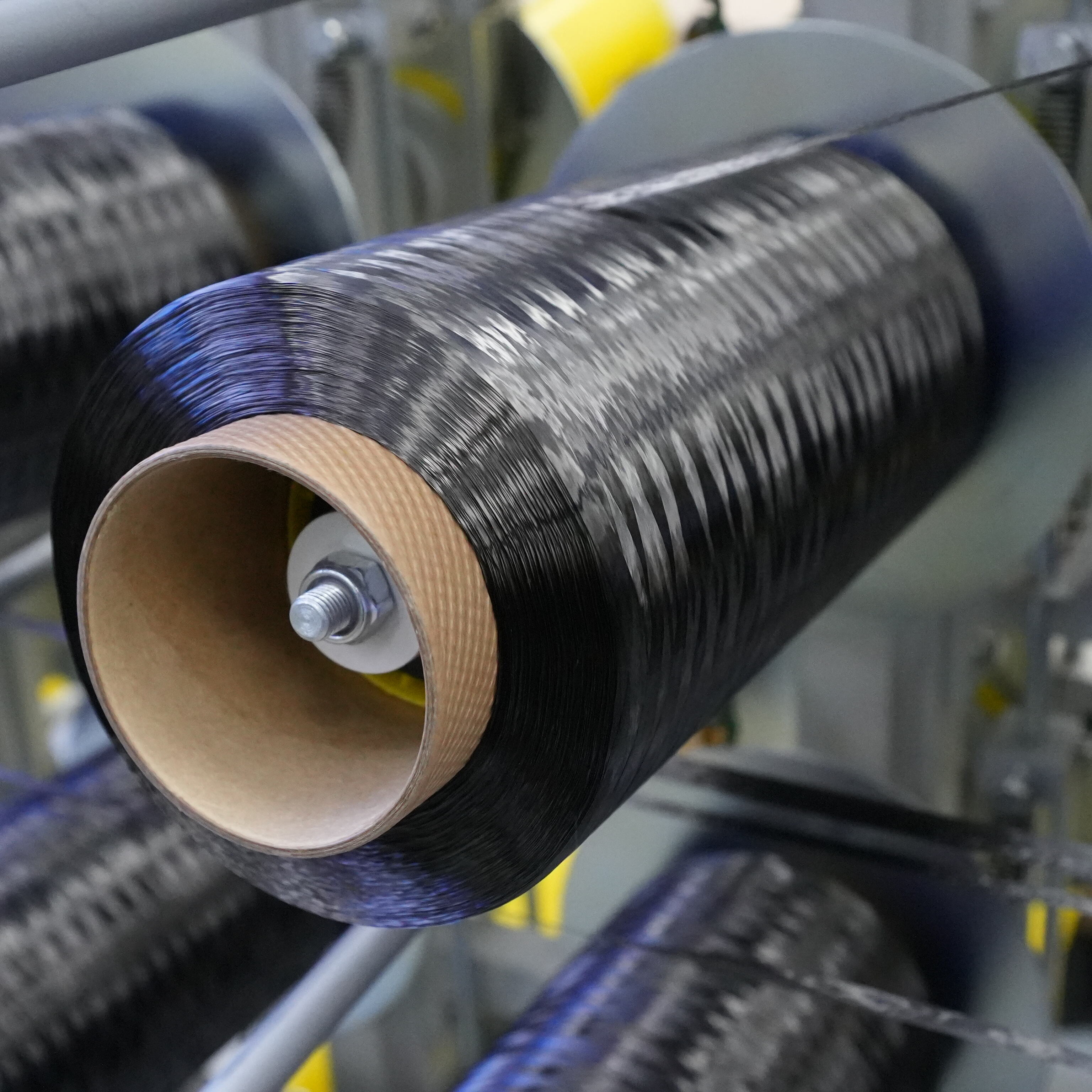
The automotive industry continues to embrace lightweight materials to improve fuel efficiency, enhance performance, and meet stringent emission standards. Carbon fiber has emerged as a premium solution for manufacturers seeking to reduce vehicle weight while maintaining structural integrity. When selecting carbon fiber for car components, original equipment manufacturers must evaluate multiple technical and commercial factors to ensure optimal results. This comprehensive analysis examines the critical considerations that drive successful carbon fiber implementation in automotive applications.

Understanding Carbon Fiber Material Properties
Tensile Strength and Modulus Characteristics
Carbon fiber exhibits exceptional tensile strength properties that significantly exceed traditional automotive materials like steel and aluminum. The tensile strength typically ranges from 3,500 to 6,000 MPa, depending on the fiber grade and manufacturing process. High-modulus carbon fibers provide superior stiffness characteristics essential for structural components that experience significant loading conditions. OEMs must carefully match the tensile properties with specific component requirements to optimize performance while controlling costs.
The elastic modulus of carbon fiber varies considerably based on the precursor material and processing temperature. Standard modulus fibers offer excellent strength-to-weight ratios suitable for most automotive applications, while intermediate and high modulus variants provide enhanced stiffness for specialized components. Understanding these property variations enables manufacturers to select the most appropriate fiber grade for each specific application within their vehicle designs.
Fatigue Resistance and Durability Factors
Automotive components must withstand millions of loading cycles throughout their service life, making fatigue resistance a critical selection criterion. Carbon fiber composites demonstrate superior fatigue performance compared to metals, particularly under tension-tension loading conditions. However, the matrix material and fiber-matrix interface significantly influence fatigue behavior, requiring careful consideration of the complete composite system rather than fiber properties alone.
Environmental durability represents another essential factor in material selection processes. Carbon fibers maintain their mechanical properties across wide temperature ranges and resist degradation from moisture, UV exposure, and chemical contamination. This stability ensures consistent performance throughout the vehicle's operational life, reducing warranty concerns and maintenance requirements for automotive manufacturers.
Manufacturing Process Compatibility
Fiber Architecture and Weave Patterns
The selection of appropriate fiber architecture directly impacts both manufacturing efficiency and component performance. Plain weave fabrics offer balanced properties in both directions and excellent formability for complex geometries. Twill weaves provide enhanced drape characteristics and surface quality, making them suitable for visible components where aesthetic appearance matters. Unidirectional fabrics maximize strength and stiffness in specific directions but require careful layup design to achieve desired performance characteristics.
Fabric weight represents another crucial parameter that affects processing requirements and final component properties. Lighter fabrics enable better conformability to complex shapes but may require additional layers to achieve target thickness and strength. Heavier fabrics reduce layup time and labor costs but may create challenges when forming intricate geometries or achieving precise thickness control in thin-walled sections.
Resin System Compatibility
The compatibility between carbon fiber and matrix resin systems significantly influences processing parameters and final component properties. Epoxy resins provide excellent adhesion to carbon fibers and superior mechanical properties but require elevated temperature curing cycles. Polyurethane and vinyl ester systems offer faster processing capabilities and improved impact resistance but may sacrifice some mechanical performance compared to epoxy matrices.
Processing temperature requirements must align with available manufacturing equipment and production schedules. High-temperature curing systems typically deliver superior mechanical properties and environmental resistance but increase energy costs and cycle times. Room temperature and low-temperature curing systems enable faster production rates and reduced energy consumption while maintaining adequate performance for many automotive applications.
Cost Considerations and Economic Factors
Material Cost Analysis
Raw material costs represent the most visible expense category when evaluating carbon fiber for car components, but comprehensive cost analysis must include processing expenses, tooling requirements, and lifecycle considerations. Premium aerospace-grade carbon fibers command higher prices but may provide superior performance and durability that justify the additional investment. Industrial-grade fibers offer cost advantages while maintaining performance levels suitable for many automotive applications.
Volume requirements significantly influence material pricing structures and supplier relationships. Large-scale automotive programs can negotiate favorable pricing terms and ensure consistent supply availability. However, smaller production volumes may face higher unit costs and potential supply constraints during peak demand periods. OEMs must balance material costs against performance requirements and production volume projections to optimize overall program economics.
Processing and Manufacturing Costs
Manufacturing costs extend beyond raw materials to include labor, equipment utilization, and quality control expenses. Hand layup processes minimize tooling investments but increase labor costs and introduce variability in component quality. Automated manufacturing methods like resin transfer molding or compression molding require substantial upfront tooling investments but deliver consistent quality and reduced labor costs for high-volume production.
Waste material management represents an often-overlooked cost factor that can significantly impact program economics. Carbon fiber waste cannot be easily recycled like metal materials, making efficient material utilization crucial for cost control. Advanced nesting software and optimized cutting patterns help minimize waste generation while maintaining production efficiency and quality standards.
Performance Requirements and Testing Standards
Automotive Industry Standards Compliance
Automotive applications require compliance with numerous industry standards that govern material properties, testing procedures, and quality requirements. ISO standards define standardized testing methods for mechanical properties, while ASTM specifications provide additional guidance for composite material characterization. OEMs must ensure selected carbon fiber materials can meet these standards consistently throughout production runs.
Crash safety requirements present unique challenges for carbon fiber implementation in structural applications. Unlike metals that exhibit ductile failure modes with predictable energy absorption characteristics, carbon fiber composites typically fail in a brittle manner. However, proper design and material selection can create controlled failure modes that meet safety requirements while providing weight advantages over traditional materials.
Environmental Performance Testing
Automotive components face diverse environmental conditions including temperature extremes, humidity variations, chemical exposure, and UV radiation. Comprehensive testing programs must validate material performance under these conditions to ensure long-term durability and reliability. Accelerated aging tests help predict long-term performance while reducing development timelines for new vehicle programs.
Thermal cycling tests evaluate material stability under repeated temperature changes that occur during normal vehicle operation. Carbon fiber composites generally exhibit excellent thermal stability, but the matrix resin and fiber-matrix interface may degrade under extreme conditions. Proper material selection and testing validation ensure components maintain their performance throughout the vehicle's operational life.
Supply Chain and Quality Assurance
Supplier Qualification and Certification
Establishing reliable supply relationships requires thorough supplier qualification processes that evaluate technical capabilities, quality systems, and financial stability. Carbon fiber suppliers must demonstrate consistent material properties, reliable delivery performance, and robust quality management systems. Automotive suppliers typically require ISO/TS 16949 certification and may mandate additional quality requirements specific to composite materials.
Material traceability becomes particularly important for safety-critical components where component failure could result in serious consequences. Comprehensive documentation systems track material lots from fiber production through component manufacture and final assembly. This traceability enables rapid response to quality issues and supports continuous improvement initiatives throughout the supply chain.
Quality Control and Inspection Procedures
Incoming material inspection procedures must verify key properties that affect processing and final component performance. Fiber tensile strength, modulus, and dimensional characteristics require regular verification to ensure consistency with specification requirements. Statistical process control methods help identify trends that could indicate potential quality issues before they impact production operations.
Non-destructive testing methods enable quality verification without compromising component integrity. Ultrasonic inspection techniques can detect internal defects like delaminations or voids that might compromise structural performance. Visual inspection standards help ensure consistent surface quality for components where appearance matters to end customers.
Future Trends and Technology Development
Advanced Fiber Technologies
Emerging carbon fiber technologies promise improved performance characteristics and reduced manufacturing costs that could expand automotive applications. Next-generation precursor materials and processing techniques aim to deliver higher strength and modulus properties while reducing production costs. These advances could enable carbon fiber adoption in higher-volume vehicle segments where cost sensitivity currently limits implementation.
Recycling technologies for carbon fiber composites continue to advance, addressing environmental concerns and potentially reducing raw material costs. Chemical recycling processes can recover carbon fibers with properties approaching those of virgin materials, while mechanical recycling creates shorter fibers suitable for non-structural applications. These developments support sustainability initiatives while creating potential cost advantages for manufacturers.
Manufacturing Process Innovation
Automated manufacturing processes continue to evolve, promising reduced labor costs and improved quality consistency for carbon fiber components. Automated fiber placement systems enable precise control over fiber orientation and thickness while reducing material waste. These technologies make carbon fiber more attractive for high-volume automotive applications where cost and quality requirements are demanding.
Hybrid manufacturing approaches that combine carbon fiber with traditional materials offer opportunities to optimize performance and cost simultaneously. Strategic placement of carbon fiber reinforcement in highly loaded areas while using conventional materials elsewhere can deliver significant weight savings at acceptable cost levels. This approach enables broader carbon fiber adoption across vehicle platforms.
FAQ
What are the main advantages of carbon fiber over traditional automotive materials
Carbon fiber offers exceptional strength-to-weight ratios, typically 5-10 times stronger than steel while weighing 75% less. This weight reduction directly improves fuel efficiency and vehicle performance while maintaining or enhancing structural integrity. Additionally, carbon fiber exhibits superior fatigue resistance, corrosion immunity, and design flexibility compared to metals, enabling innovative component designs that optimize both function and aesthetics.
How does carbon fiber cost compare to aluminum and steel for automotive applications
Raw material costs for carbon fiber remain significantly higher than aluminum or steel, typically 10-20 times more expensive per pound. However, the total cost equation must consider processing requirements, tooling investments, and lifecycle benefits. Weight savings from carbon fiber can justify higher material costs through improved fuel efficiency, enhanced performance, and potential regulatory compliance advantages in emissions-sensitive markets.
What quality control measures are essential for carbon fiber automotive components
Critical quality control measures include incoming material inspection for fiber properties, process monitoring during manufacturing, and final component testing for dimensional accuracy and mechanical properties. Non-destructive testing techniques like ultrasonic inspection detect internal defects, while statistical process control identifies trends that could indicate quality issues. Comprehensive documentation and traceability systems ensure quality throughout the supply chain from raw materials to finished components.
Which automotive applications benefit most from carbon fiber implementation
High-performance and luxury vehicles typically see the greatest benefits from carbon fiber implementation, particularly in body panels, interior components, and chassis structures where weight reduction and design flexibility provide significant advantages. Sports cars and electric vehicles benefit from improved performance and extended range, while luxury vehicles can justify higher costs through enhanced aesthetics and performance characteristics that support premium positioning in the marketplace.
Table of Contents
- Understanding Carbon Fiber Material Properties
- Manufacturing Process Compatibility
- Cost Considerations and Economic Factors
- Performance Requirements and Testing Standards
- Supply Chain and Quality Assurance
- Future Trends and Technology Development
-
FAQ
- What are the main advantages of carbon fiber over traditional automotive materials
- How does carbon fiber cost compare to aluminum and steel for automotive applications
- What quality control measures are essential for carbon fiber automotive components
- Which automotive applications benefit most from carbon fiber implementation