
 EN
EN
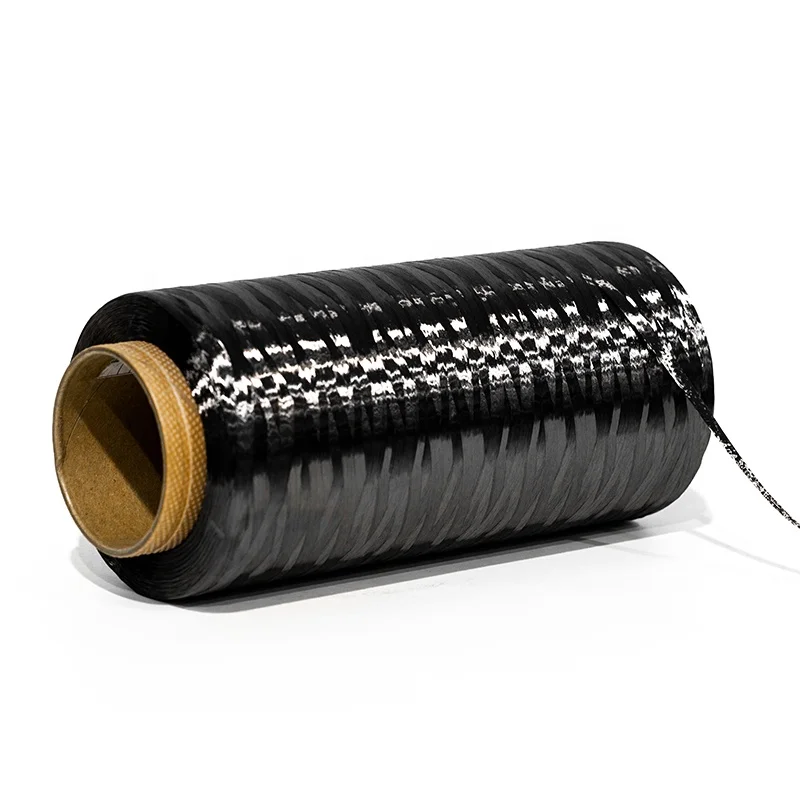
The automotive industry continuously seeks advanced materials that deliver superior strength-to-weight ratios while enabling complex geometries in vehicle design. Manufacturing engineers have increasingly turned to prepreg carbon fiber as their material of choice for producing intricate automotive components that demand exceptional performance characteristics. This advanced composite material offers unparalleled control over fiber orientation, resin content, and curing processes, making it ideal for applications ranging from structural chassis elements to aerodynamic body panels.
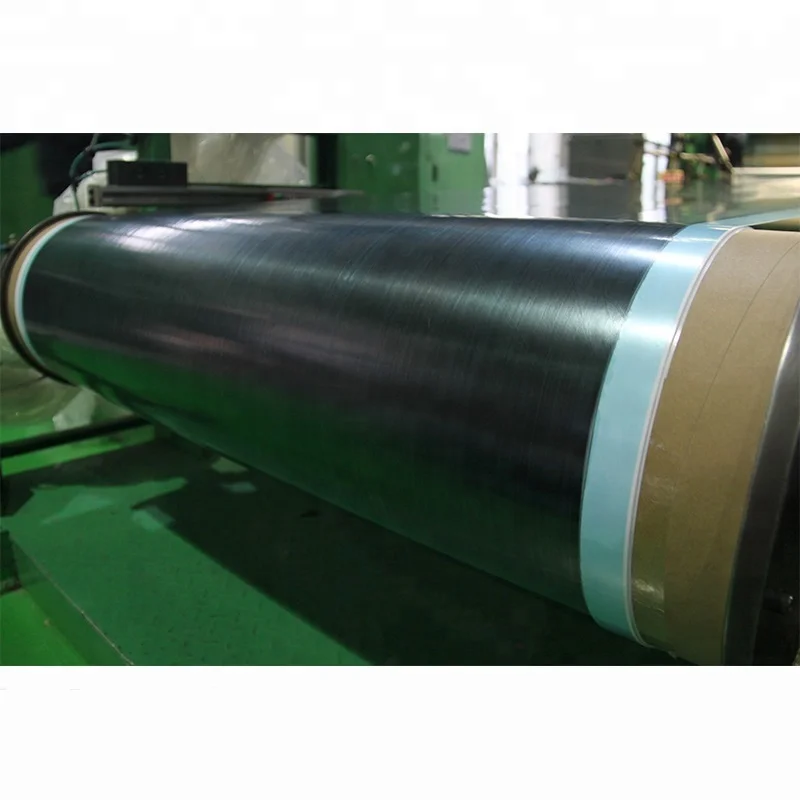
Modern vehicle manufacturing requires materials that can meet stringent safety standards while contributing to overall fuel efficiency through weight reduction. Prepreg carbon fiber systems provide manufacturers with consistent quality control and repeatable mechanical properties that traditional manufacturing methods struggle to achieve. The pre-impregnated nature of these materials eliminates many variables associated with wet layup processes, resulting in more predictable outcomes for complex automotive applications.
Superior Material Properties for Automotive Applications
Exceptional Strength-to-Weight Performance
The fundamental advantage of prepreg carbon fiber lies in its outstanding strength-to-weight ratio, which typically exceeds that of steel by a factor of five while weighing approximately 70% less. This remarkable characteristic allows automotive engineers to design components that maintain structural integrity while significantly reducing overall vehicle weight. The consistent fiber distribution achieved through the prepreg manufacturing process ensures that mechanical properties remain uniform throughout complex geometries, eliminating weak points that might compromise component performance.
Manufacturing consistency becomes particularly critical when producing safety-critical components such as crash structures or suspension elements. The controlled resin content in prepreg carbon fiber systems ensures that each component meets identical specifications, reducing variability that could affect vehicle safety or performance. This reliability factor has made prepreg materials essential for high-performance automotive applications where failure is not an option.
Enhanced Fatigue Resistance
Automotive components endure millions of stress cycles throughout their operational lifetime, making fatigue resistance a critical design consideration. Prepreg carbon fiber exhibits exceptional fatigue performance due to its controlled fiber architecture and optimized resin matrix distribution. The pre-impregnation process eliminates dry spots and resin-rich areas that typically serve as crack initiation sites in traditional composite manufacturing methods.
Dynamic loading conditions in automotive applications require materials that maintain their mechanical properties under repeated stress. The uniform fiber wetting achieved in prepreg systems creates a homogeneous stress distribution that prevents premature failure modes commonly associated with conventional composite materials. This enhanced durability translates to longer component lifecycles and reduced maintenance requirements for vehicle manufacturers.
Manufacturing Efficiency and Process Control
Streamlined Production Workflows
The automotive industry demands manufacturing processes that can scale efficiently while maintaining quality standards across high-volume production runs. Prepreg carbon fiber systems offer significant advantages in this regard by eliminating the need for separate resin application steps during component fabrication. Manufacturing teams can focus on precise fiber placement and consolidation rather than managing complex resin mixing and application procedures that introduce potential quality variables.
Automated layup equipment works exceptionally well with prepreg materials due to their consistent thickness and tack properties. This compatibility enables manufacturers to implement robotic systems for complex component geometries, reducing labor costs while improving dimensional accuracy. The predictable handling characteristics of prepreg carbon fiber facilitate the development of automated manufacturing cells that can operate continuously with minimal supervision.
Quality Assurance and Repeatability
Consistent material properties represent a fundamental requirement for automotive component manufacturing, where variations can affect vehicle performance and safety. Prepreg carbon fiber materials undergo rigorous quality control during the impregnation process, ensuring that fiber volume fraction, resin content, and mechanical properties remain within tight tolerances. This level of control proves impossible to achieve with traditional wet layup methods where environmental conditions and operator skill significantly influence final component quality.
Documentation and traceability become simplified when working with prepreg materials since each batch comes with detailed specifications and test data. Automotive manufacturers can establish comprehensive quality management systems that track material lots throughout the production process, enabling rapid identification of any quality issues that might arise. This traceability proves essential for meeting automotive industry standards and regulatory requirements.
Design Flexibility for Complex Geometries
Tailored Fiber Orientations
Complex automotive components often require specific mechanical properties in different directions to optimize performance under various loading conditions. Prepreg carbon fiber systems enable engineers to design layup schedules that place fibers precisely where strength and stiffness are needed most. This capability allows for the creation of components with anisotropic properties that match the specific stress patterns encountered in automotive applications.
Advanced simulation tools work seamlessly with prepreg materials since their mechanical properties are well-characterized and consistent. Design engineers can confidently predict component behavior under various loading scenarios, enabling optimization of fiber orientations before physical prototyping begins. This design flexibility reduces development time and costs while ensuring that final components meet all performance requirements.
Complex Curvature and Formability
Modern vehicle designs incorporate increasingly complex surface geometries that challenge traditional manufacturing methods. Prepreg carbon fiber materials exhibit excellent drapability characteristics that allow them to conform to intricate mold surfaces without wrinkling or fiber distortion. The controlled tack level in these materials provides sufficient adhesion to maintain fiber placement during layup while allowing repositioning when necessary.
Double-curvature components such as body panels and aerodynamic elements benefit significantly from the formability of prepreg systems. The pre-impregnated fibers can accommodate complex shapes while maintaining their structural integrity, resulting in components that exhibit uniform thickness and consistent mechanical properties throughout their geometry. This capability enables designers to create visually striking vehicle elements without compromising structural performance.
Cost Effectiveness in High-Performance Applications
Reduced Material Waste
Traditional composite manufacturing methods often result in significant material waste due to overspray, mixing errors, and contamination issues. Prepreg carbon fiber systems virtually eliminate these waste streams since materials are supplied in precise quantities with predetermined resin content. Manufacturing teams can calculate exact material requirements for each component, reducing inventory costs and minimizing environmental impact.
The shelf-stable nature of properly stored prepreg materials allows manufacturers to maintain strategic inventory levels without concern for material degradation. This stability enables better production planning and reduces the risk of production delays due to material availability issues. Automotive manufacturers can optimize their supply chains by working with prepreg suppliers who understand the demanding requirements of high-volume production environments.
Labor Efficiency Improvements
Skilled composite technicians represent a significant cost factor in automotive manufacturing, making labor efficiency a critical consideration for component producers. Prepreg carbon fiber systems reduce the skill level required for consistent results since much of the complexity associated with resin mixing and application has been eliminated. This simplification enables manufacturers to train operators more quickly while achieving better quality outcomes.
Production cycle times decrease substantially when using prepreg materials due to the elimination of resin preparation and application steps. Manufacturing teams can focus their efforts on precise fiber placement and consolidation, activities that directly impact final component quality. This efficiency improvement translates to higher throughput rates and reduced per-component manufacturing costs for automotive applications.
Automotive Industry Case Studies and Applications
Structural Components
High-performance vehicle manufacturers have embraced prepreg carbon fiber for critical structural applications where weight reduction and strength are paramount. Chassis components manufactured from these materials demonstrate exceptional torsional rigidity while contributing to overall vehicle weight savings that improve acceleration and fuel economy. The consistent mechanical properties of prepreg systems ensure that safety margins remain predictable across production volumes.
Crash structures represent another area where prepreg carbon fiber has proven invaluable for automotive applications. The controlled energy absorption characteristics of these materials can be precisely engineered through layup design and fiber orientation optimization. This level of control enables manufacturers to create components that meet stringent safety requirements while minimizing weight penalties associated with traditional metallic structures.
Aerodynamic and Body Components
Exterior body panels manufactured from prepreg carbon fiber offer automotive designers unprecedented freedom in creating complex aerodynamic surfaces. The material's ability to maintain precise dimensional tolerances throughout the manufacturing process ensures that aerodynamic performance remains consistent across production vehicles. This reliability becomes critical for electric vehicles where aerodynamic efficiency directly impacts driving range.
Surface finish quality achievable with prepreg systems often eliminates the need for extensive post-processing operations typically required with other composite manufacturing methods. The smooth resin-rich surface that results from proper prepreg processing can often be painted directly after minimal preparation, reducing manufacturing cycle times and associated costs. This surface quality advantage has made prepreg materials preferred choices for visible automotive components.
Future Trends and Technological Developments
Advanced Resin Systems
Ongoing developments in resin chemistry are expanding the application range for prepreg carbon fiber in automotive manufacturing. High-temperature resin systems enable components to withstand engine compartment conditions while maintaining their mechanical properties. These advanced formulations are opening new opportunities for prepreg materials in applications previously reserved for metallic components.
Rapid-cure resin systems are reducing manufacturing cycle times while maintaining the quality advantages associated with prepreg materials. These developments are making prepreg carbon fiber more competitive for high-volume automotive applications where production rates significantly impact manufacturing economics. The combination of speed and quality represents a significant advantage for automotive manufacturers seeking to expand their use of advanced composite materials.
Sustainable Manufacturing Initiatives
Environmental considerations are driving innovations in prepreg carbon fiber manufacturing that align with automotive industry sustainability goals. Recycling initiatives are developing methods to reclaim both fibers and resin from end-of-life prepreg components, creating closed-loop manufacturing systems that reduce environmental impact. These efforts are particularly important as automotive manufacturers face increasing pressure to demonstrate environmental responsibility.
Bio-based resin systems are emerging as viable alternatives for certain prepreg applications, offering reduced carbon footprint while maintaining performance characteristics required for automotive use. These sustainable formulations represent an important step toward environmentally responsible composite manufacturing that meets both performance and environmental objectives. The automotive industry's embrace of these technologies demonstrates its commitment to sustainable manufacturing practices.
FAQ
What makes prepreg carbon fiber superior to wet layup methods for automotive manufacturing
Prepreg carbon fiber offers superior quality control and consistency compared to wet layup methods because the resin is applied under controlled factory conditions rather than at the point of use. This eliminates variables such as mixing ratios, environmental conditions, and operator skill that can significantly impact final component quality. The result is more predictable mechanical properties and dimensional accuracy that automotive applications require.
How does prepreg carbon fiber contribute to vehicle weight reduction goals
Prepreg carbon fiber typically offers strength-to-weight ratios five times better than steel while weighing 70% less, enabling significant vehicle weight reduction without compromising safety or performance. The precise fiber placement and controlled resin content in prepreg systems maximize these benefits by eliminating excess material while ensuring optimal mechanical properties in critical load-bearing directions.
What are the main cost considerations when implementing prepreg carbon fiber in automotive production
While prepreg materials have higher initial costs compared to traditional materials, they offer significant savings through reduced labor requirements, elimination of material waste, faster production cycles, and improved quality consistency. The total cost of ownership often favors prepreg systems, especially for complex components where manufacturing efficiency and quality control are critical success factors.
How do manufacturers ensure quality control with prepreg carbon fiber materials
Quality control with prepreg materials begins with supplier certification and batch testing, followed by proper storage and handling procedures that maintain material properties. Manufacturing processes include monitoring of cure cycles, dimensional inspection, and mechanical testing to verify that components meet specifications. The consistent nature of prepreg materials simplifies quality control compared to traditional composite manufacturing methods.
Table of Contents
- Superior Material Properties for Automotive Applications
- Manufacturing Efficiency and Process Control
- Design Flexibility for Complex Geometries
- Cost Effectiveness in High-Performance Applications
- Automotive Industry Case Studies and Applications
- Future Trends and Technological Developments
-
FAQ
- What makes prepreg carbon fiber superior to wet layup methods for automotive manufacturing
- How does prepreg carbon fiber contribute to vehicle weight reduction goals
- What are the main cost considerations when implementing prepreg carbon fiber in automotive production
- How do manufacturers ensure quality control with prepreg carbon fiber materials